Managing Device Bind Limits in VeryPDF DRM Protector: Preventing Incorrect Device Bind Consumption on MacOS, Smart device identification in DRM device binding protection

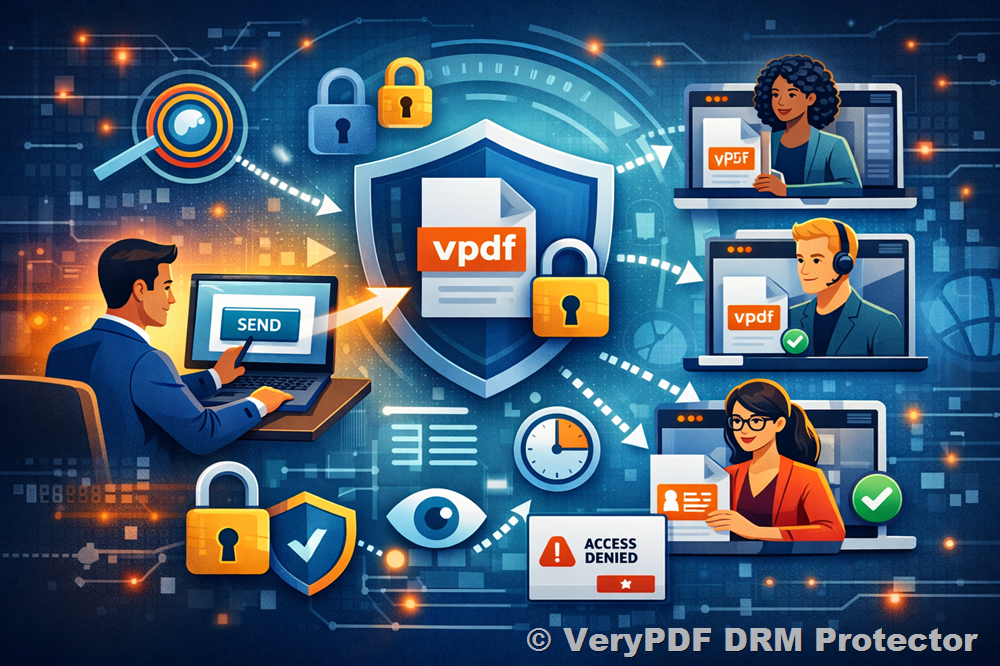
In digital content distribution and eLearning environments, controlling the device bind, the number of devices each user can use to access a protected PDF, is crucial for security and licensing compliance. VeryPDF DRM Protector allows publishers to limit the number of Mac devices a single user can read a PDF on, ensuring content is only accessed on authorized devices.

However, some users have encountered an issue where attempts to open a PDF on unsupported devices, such as iPhones or iPads, are blocked as expected, but still count toward the user’s allowed Mac device binds. This can lead to accidental exhaustion of a user’s permitted devices, preventing legitimate access on authorized Macs.

This article provides a detailed analysis of this device bind issue, explains why it occurs, and introduces the improvements in the new version of VeryPDF DRM Protector designed to prevent incorrect device bind consumption.

Managing Device Bind Limits in VeryPDF DRM Protector: Preventing Incorrect Device Bind Consumption on MacOS, Smart device identification in DRM device binding protection


1. Understanding Device Binding and Its Importance

Device binding is a security mechanism that links a user account to specific devices. For example, a publisher might allow a student to read a PDF on up to 2 Mac computers. This ensures that:

  • The content cannot be freely shared on multiple devices.
  • Publishers maintain control over how many devices a single user can access the content from.
  • Users cannot bypass DRM by simply installing the file on multiple devices.

Device binding is different from user limits. While user limits restrict the total number of users who can access a file, device binding restricts the number of devices per user. This is particularly useful in educational scenarios, where one student may have multiple devices.


2. The Problem: Unsupported Devices Consume Device Slots

A recurring issue occurs when students attempt to open a protected PDF on unsupported devices:

  • Suppose a publisher allows 2 Mac devices per student.
  • A student first tries to open the PDF on their iPhone or iPad.
  • The DRM system correctly blocks access because iOS is not allowed.

The unexpected problem: In the current version of VeryPDF DRM Protector, this failed attempt still counts as a consumed device slot. As a result:

  • The student cannot access the PDF on their allowed Mac devices.
  • The publisher’s intended device limit is effectively reduced, causing frustration for both educators and students.

This behavior happens because the system previously tracked all access attempts to a protected file without distinguishing between successful access on a permitted device and blocked access on unsupported devices.


3. Why This Happens: Technical Analysis

The problem can be traced to two main factors:

  1. Access tracking logic:
    The system was designed to record all access attempts as “device usage.” It did not check whether the attempt was made on a supported OS.
  2. Device classification:
    When a device is not recognized as MacOS (e.g., an iPhone or iPad), the system blocks access. However, the binding logic still increments the count of devices associated with the user.

Combined, these factors lead to “phantom device consumption,” where the allowed device slots are reduced even though the user has not successfully accessed the file on an authorized Mac.


4. Real-World Example

Consider the following scenario:

  • A university lecturer distributes a PDF textbook to students via VeryPDF DRM Protector.
  • Each student is allowed 2 Mac devices to read the PDF.
  • A student attempts to open the PDF on their iPhone first. The system blocks access, as expected.
  • However, the student then tries to open the PDF on a Mac. The system now reports that only 1 device slot remains instead of 2.

This scenario highlights how students using unsupported devices can unintentionally waste their allowed Mac device slots, creating access problems and unnecessary support requests.


5. The Solution in the New Version

VeryPDF DRM Protector is addressing this issue with a comprehensive update:

  1. Accurate Device Binding Counting:
    • Only successful access attempts on allowed operating systems (e.g., MacOS) will count toward a user’s device limit.
    • Attempts from unsupported devices (iPhone, iPad, Android, etc.) will not consume a device slot.
    • This ensures that students can safely try accessing the PDF on multiple devices without accidentally losing allowed slots.
  2. Improved OS Detection:
    • The system will correctly identify the latest macOS versions, including macOS 26, which previously caused Mac users to be classified as “others.”
    • Mac users will now be recognized accurately, preventing blocked access due to misclassification.
  3. Enhanced User Experience:
    • Students can attempt access on multiple devices without risk of losing their allowed Mac device slots.
    • Publishers gain more accurate control over device usage and can better manage licensing restrictions.

6. Benefits for Educators and Publishers

The new improvements provide multiple advantages:

  • Reliability: Device counts now accurately reflect actual usage on permitted devices.
  • Reduced Support Requests: Fewer students will report being locked out due to phantom device consumption.
  • Better Security: Unauthorized attempts on unsupported devices are still blocked, maintaining DRM protection.
  • Future-Proofing: With updated OS detection, new MacOS releases will be supported without disruption.

7. Looking Forward: Future Enhancements

VeryPDF DRM Protector continues to focus on usability and security. Planned future updates include:

  • Detailed device usage reports for publishers, showing exactly which devices accessed the PDF successfully.
  • Notifications for users when an access attempt is made on a blocked device, helping them understand why the attempt failed.
  • Support for additional operating systems in case publishers want to allow other devices in the future.

Conclusion

Device binding is a critical feature of DRM systems, ensuring that protected content is only accessed on authorized devices. The current version of VeryPDF DRM Protector occasionally consumed device slots for blocked access attempts, causing confusion and frustration.

The upcoming version solves this problem by:

  1. Counting only successful access on permitted devices toward device limits.
  2. Correctly detecting the latest MacOS versions to prevent misclassification.

These improvements will provide a more accurate, reliable, and user-friendly DRM experience, benefiting both publishers and students.


Call to Action:

Publishers and educators using VeryPDF DRM Protector can look forward to these updates, which will prevent device binding issues and enhance secure access management. Stay tuned for the release to take full advantage of the improved system.

VeryPDF DRM Protector MyFiles Actions Menu: Complete Guide to Secure PDF Management, Viewing, Sharing, and DRM Features

In VeryPDF DRM Protector, the MyFiles interface provides a centralized file management system. Each file in the list includes an Actions button on the far right. Clicking this button opens a dropdown menu with several operations you can perform on the file. Below is a detailed explanation of each menu item and its functionality.

VeryPDF DRM Protector MyFiles Actions Menu: Complete Guide to Secure PDF Management, Viewing, Sharing, and DRM Features


1. Standard Web Viewer

The Standard Web Viewer allows you to open your protected PDF or document in a basic browser-based viewer.
Key Features:

  • Simple interface with essential viewing controls (zoom, page navigation, search).
  • DRM protection remains active, preventing unauthorized copying, printing, or downloading.
  • Ideal for quick document previews without additional features.

Use Case: Share a document with users who need simple, fast access without complex interactive features.


2. Enhanced Web Viewer

The Enhanced Web Viewer offers a more feature-rich viewing experience for protected files.
Key Features:

  • Advanced navigation controls (thumbnails, bookmarks, table of contents).
  • Supports annotations, highlights, and notes (if enabled in DRM settings).
  • Maintains full DRM protection, including print restrictions, watermarking, and access control.
  • Responsive design for desktops, tablets, and mobile devices.

Use Case: Share documents that require a professional, interactive reading experience while maintaining security.


3. Windows Secure Viewer

The Windows Secure Viewer opens the protected file in a standalone desktop application designed for Windows.
Key Features:

  • Local viewer for Windows computers.
  • Enforces DRM policies even outside the browser (printing, copying, and screen capture restrictions).
  • Ideal for large files or complex documents that perform better in a desktop environment.

Use Case: Provide secure offline access to your documents for Windows users.


4. Download

This option allows authorized users to download the protected file to their device.
Key Features:

  • Downloads are controlled by DRM policies.
  • File may include embedded protections (e.g., watermarking, expiration dates).
  • Prevents unauthorized users from accessing the file, even if downloaded.

Use Case: Allow trusted users to work offline while maintaining document security.


5. Embed into Web Page

The Embed option generates an HTML code snippet that allows you to embed the protected document directly into a website or web application.
Key Features:

  • Provides an <iframe> or JavaScript snippet ready for embedding.
  • DRM protection remains active even when embedded.
  • Customizable viewer size and display options may be available.

Use Case: Display your protected content on your website or LMS without giving full download access.


6. Edit Settings

Edit Settings allows you to modify the document’s DRM configuration after upload.
Key Features:

  • Adjust access controls (who can view the document, maximum users, expiration).
  • Enable or disable printing, copying, or annotations.
  • Update watermarking options (dynamic watermark text or image).
  • Change document metadata (title, description, tags).

Use Case: Update document permissions or appearance without re-uploading the file.


7. Copy Viewer URL

This option copies a direct link to the file’s web viewer to your clipboard.
Key Features:

  • Link can be shared with users who have permission to view the document.
  • Maintains all DRM restrictions configured for the file.
  • Quick and convenient for emailing or messaging the viewer link.

Use Case: Quickly share a secure viewing link with colleagues or clients.


8. Share Viewer Link

Share Viewer Link provides an interface for distributing the document’s secure viewing link.
Key Features:

  • Can include email or messaging integration.
  • Optionally, customize the link access (expiration, allowed devices, or users).
  • Supports tracking who accesses the file.

Use Case: Send controlled access links to specific users while monitoring usage.


9. Share Viewer via QR

This option generates a QR code that points to the file’s web viewer.
Key Features:

  • Quick access for mobile users.
  • Maintains DRM protection even when accessed via QR code.
  • QR code can be downloaded or printed for distribution.

Use Case: Share documents in physical locations, classrooms, or conferences for instant mobile access.


10. View Log

View Log provides detailed access and activity logs for the file.
Key Features:

  • Track who viewed the file, when, and on which device.
  • Monitor attempted unauthorized access.
  • Analyze usage patterns and user activity.

Use Case: Audit document usage and ensure compliance with security policies.


11. Delete

Delete permanently removes the file from your MyFiles repository.
Key Features:

  • Prompts for confirmation to prevent accidental deletion.
  • Deletes associated DRM records and viewing access.
  • Once deleted, the file cannot be restored unless a backup exists.

Use Case: Remove obsolete or sensitive documents from your secure storage.


Summary

The Actions menu in VeryPDF DRM Protector provides a complete suite of tools for managing, sharing, and protecting your files. Whether you need simple viewing, advanced embedding, secure downloads, or detailed activity logs, these options give you full control over your documents while maintaining strong DRM protections.

Why VeryPDFs Virtual Data Room with DRM Is the Best Alternative to DocSend and Docparser for Enterprises Needing Full Encryption, Dynamic Watermarks, and Usage Controls

Why VeryPDF’s Virtual Data Room with DRM Is the Best Alternative to DocSend and Docparser for Enterprises Needing Full Encryption, Dynamic Watermarks, and Usage Controls

Every time I’ve handled sensitive corporate documents, I’ve felt the unease of thinking, “What if this file ends up in the wrong hands?”

For companies dealing with mergers, acquisitions, or confidential data sharing, relying on traditional file-sharing platforms like DocSend or Docparser often leaves gaps in security that can be costly. I remember sitting in a boardroom with my team, sharing a critical M&A report, and worrying whether someone could forward or copy it without our knowledge. That’s when I discovered VeryPDF DRM Protector and its Virtual Data Room solutiona game-changer for secure digital collaboration.

Why VeryPDFs Virtual Data Room with DRM Is the Best Alternative to DocSend and Docparser for Enterprises Needing Full Encryption, Dynamic Watermarks, and Usage Controls

I’ve tried multiple virtual data room providers in the past, but VeryPDF stands out because it combines the security of DRM controls with the usability enterprises actually need. At its core, it’s a secure content portal that doesn’t just store filesit controls who sees what, for how long, and on which devices. This isn’t just theory; in practice, it’s saved me hours of worrying about document leakage.

The first feature that impressed me was file-level encryption paired with DRM settings. Imagine your virtual data room as a secure house, where every document is a valuable item inside a reinforced safe. Even if someone accesses the house, they still can’t open the safe without proper authentication. VeryPDF’s solution allows me to set access limits, control printing and copying, and even restrict screen sharing, ensuring that each file is protected individually. For example, during a recent due diligence project, I could share sensitive financial models with investors, set expiration dates on their access, and monitor their engagement in real-timeall without a single leak.

Another standout feature is dynamic watermarking. This may sound simple, but in practice, it’s a powerful deterrent against unwanted sharing. Every document gets a watermark tied to the viewer’s identity, so if a screenshot is taken, it’s traceable. I’ve used this extensively when working with law firms and investment banks, where even a single slip can have serious consequences. Unlike DocSend, where watermarking options are limited, VeryPDF allows full customization of the watermark style, placement, and visibility, making it feel seamless and professional for all stakeholders.

Real-time engagement analytics is another area where VeryPDF shines. I can see exactly who viewed which document, when, and for how long. It even tracks forward attempts and location access. In one recent project, this feature helped me identify that a key stakeholder had not seen a critical proposal on time, allowing me to intervene proactively. Most other platforms either lack this granular visibility or present it in a clunky, hard-to-interpret way. VeryPDF’s dashboards are clear, actionable, and perfect for busy executives who need insights at a glance.

The platform also impresses with ease of use and integration capabilities. Setting up a new data room takes minutes, not hours. You can upload files, configure DRM settings, and invite collaborators almost instantly. It integrates with Google, Microsoft accounts, and over 6,000 apps via Zapier, meaning it fits right into existing workflows. I remember onboarding a team of analysts who weren’t very tech-savvy, yet they were able to access secured documents and collaborate within the VeryPDF environment without any hiccups. The contrast with Docparser, which often requires extra steps for complex workflows, was night and day.

Beyond these features, the Secure Web Viewer and Secure Document Viewer options are phenomenal. The Web Viewer lets collaborators view files in their browser without downloading, limiting exposure. The Document Viewer is heavier-duty, protecting highly sensitive documents with anti-screenshot and anti-screenshare protections. I used the Document Viewer recently with a client in healthcare, ensuring confidential patient data remained fully protected even during cross-office collaboration.

From a practical standpoint, VeryPDF DRM Protector solves problems that many enterprises face daily:

  • Eliminates worries about unauthorized forwarding or sharing of sensitive files

  • Provides clear, granular control over access rights and expiration

  • Reduces risks of accidental leaks via screenshots or printouts

  • Enables detailed tracking and analytics for accountability and compliance

I’d highly recommend this to anyone who deals with large volumes of sensitive documents and needs full encryption, dynamic watermarks, and usage controls. It’s not just about securityit’s about giving teams confidence to collaborate without fear. Click here to try it out for yourself: https://drm.verypdf.com/

VeryPDF offers custom development services for enterprises that need tailored solutions. Whether you require PDF processing utilities, Linux/Windows/macOS server applications, or mobile integrations, VeryPDF’s expertise spans Python, PHP, C/C++, Windows API, Linux, Mac, iOS, Android, JavaScript, C#, .NET, and HTML5. They can develop Virtual Printer Drivers for PDF, EMF, and image formats, implement printer job capturing and monitoring, and create tools for barcode recognition, OCR, and table extraction. Additional services include document form generators, conversion utilities, and DRM/security solutions for PDF and Office documents. For custom solutions or technical queries, reach out via the support centre at https://support.verypdf.com/.

FAQs

1. What is a Virtual Data Room with DRM?

A virtual data room (VDR) is an online repository for secure file sharing. When combined with DRM, it allows control over who can access files, for how long, and on which devices.

2. How does VeryPDF DRM Protector prevent unauthorized sharing?

It uses file-level encryption, dynamic watermarks, access limits, screenshot/screen share restrictions, and detailed analytics to monitor document engagement.

3. Can I use VeryPDF DRM Protector on multiple devices?

Yes. The software supports Windows, Mac, iOS, and Android, enforcing DRM controls consistently across all platforms.

4. Is it difficult to onboard non-technical users?

Not at all. VeryPDF is designed for simplicity. Even users with limited technical skills can access and collaborate on secure documents without extensive training.

5. How does VeryPDF compare to DocSend or Docparser?

Unlike DocSend and Docparser, VeryPDF provides full encryption, dynamic watermarking, detailed engagement analytics, and strict DRM controls, offering stronger protection and easier management of sensitive corporate data.

Tags/Keywords

VeryPDF DRM Protector, Virtual Data Room, Secure Document Sharing, Digital Rights Management, Dynamic Watermarks, Enterprise Data Security, Document Collaboration, Online Data Room, Secure PDF Viewer, File-Level Encryption