VeryPDF DRM Protector Tutorial Annotate PDFs with FreeText, Highlight, Strikeout, and Ink Tools to Save Time and Reduce

Protect Your Course PDFs and Annotate Securely to Stop Students Sharing Homework

Ever handed out a set of lecture PDFs and immediately worried that a few students might upload them online? As a professor, I’ve been therespending hours preparing slides, reading materials, and homework, only to find that once it’s in students’ hands, control over distribution is lost. Even worse, students sometimes print, copy, or convert PDFs to Word or Excel, sharing content without permission. This isn’t just frustrating; it can undermine your hard work and the value of your courses.

VeryPDF DRM Protector Tutorial Annotate PDFs with FreeText, Highlight, Strikeout, and Ink Tools to Save Time and Reduce

I’ve been using VeryPDF DRM Protector, and it has completely changed the way I manage digital course materials. With this tool, I can annotate PDFs, secure them, and restrict access so only enrolled students see what they’re supposed to. No more worrying about unauthorized sharing, piracy, or losing control over homework and lecture slides.

One of the biggest challenges I faced in teaching was ensuring that my content stayed protected while still allowing students to interact with it. Students need to highlight text, add notes, or even draw diagrams directly on PDFs for assignments, yet standard PDFs don’t support secure annotation. With VeryPDF DRM Protector, I can now let students annotate freely using FreeText, Highlight, Strikeout, Ink, and even custom stampswhile keeping the PDF secure from copying, printing, or conversion.

For example, in my last course, I distributed a set of homework PDFs. Before using DRM protection, I noticed a few assignments circulating online within a week. Now, with DRM-protected PDFs, only the students enrolled in the course can access the files. They can annotate and save their notes securely, but can’t print, copy, or forward the PDF to outsiders. It’s a simple setting that prevents a lot of headaches.

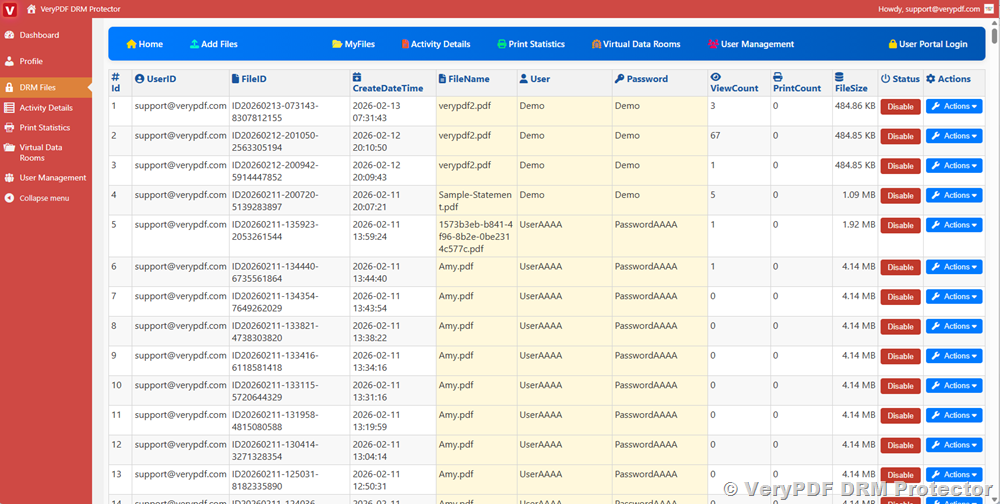
Another common problem is losing track of who accessed materials. VeryPDF DRM Protector allows you to limit access by user and track their interactions with each PDF. This is especially useful for paid courses or sensitive research materials. I can see which students opened which files, and I can control how long each PDF remains accessible. No more guessing if someone has seen or misused the content.

The tool is also surprisingly easy to use. Activating annotations is straightforward: after selecting a PDF, I enable the annotation toolsHighlight, FreeText, Ink, Stamp, and morethen save settings. Students can annotate online or download their work to review later. They can even add shapes, arrows, or signatures. I’ve had students tell me it’s intuitive and similar to working on paper but without the risk of losing sheets or spilling coffee over notes.

Here’s how I typically set up PDF annotations for a class:

  • Open the protected PDF in VeryPDF DRM’s admin portal.

  • Click “Actions” “Edit Settings.”

  • Enable the annotation toolbar: Highlight, FreeText, Ink, Stamp, and SaveAnnotations.

  • Save the settings and share the PDF through the Enhanced Web Viewer.

From that point, students can highlight passages, add freehand notes, or even insert custom stamps, all securely saved to their account. This ensures that annotations are private and tied to the individual user, preventing one student from editing or erasing another’s work.

The anti-piracy benefits are equally impressive. DRM protection prevents students from:

  • Converting PDFs to Word, Excel, or images.

  • Copying or forwarding the content to unauthorized users.

  • Printing PDFs without permission.

This has saved me countless hours chasing down leaks or updating slides because someone shared my content online. Instead, I can focus on teaching and grading, confident that my materials remain under control.

A personal example: I once ran a paid online workshop and distributed lecture PDFs ahead of time. Without DRM protection, several participants were able to share PDFs in student forums. After switching to VeryPDF DRM Protector, only registered attendees could access the files. Participants could annotate slides for personal notes, but attempts to copy, print, or convert were blocked. The workshop ran smoothly, and no content was leaked.

It’s not just about preventing piracyit also makes teaching more efficient. Students can annotate directly in the PDFs instead of using separate notebooks or sticky notes, which streamlines submissions and grading. I’ve noticed that students engage more with the content because they can interact safely and confidently without fear of losing their work or violating copyright.

If you distribute homework PDFs, lecture slides, or any paid course materials, VeryPDF DRM Protector offers practical solutions:

  • Restrict access to enrolled students or specific users only.

  • Enable interactive annotation tools that save per user.

  • Prevent printing, copying, forwarding, and unauthorized conversion.

  • Maintain detailed control over content distribution.

Setting up annotations and security is straightforward and doesn’t require technical expertise. Even if you’re not tech-savvy, the step-by-step process ensures your PDFs are protected while allowing legitimate student interaction.

I highly recommend this to anyone distributing PDFs to students. It saves time, reduces errors, and protects your work from piracy. Whether you’re managing online courses, paid workshops, or in-person lectures, this tool gives you peace of mind.

Try it now and protect your course materials: https://drm.verypdf.com

Start your free trial today and regain control over your PDFs.

FAQs

How can I limit student access to PDFs?

You can restrict PDFs to specific users or enrolled students. Only those granted access can view or annotate the PDFs.

Can students still read and annotate without copying, printing, or converting?

Yes. Students can use annotation tools like Highlight, FreeText, Ink, and Stamp directly in the protected PDF, while all copy, print, and conversion options are blocked.

How do I track who accessed my PDFs?

VeryPDF DRM Protector provides user-level tracking. You can see which students opened files and when, giving you control and accountability.

Does this prevent PDF piracy and unauthorized sharing?

Absolutely. DRM protection stops copying, forwarding, printing, and converting PDFs, preventing unauthorized distribution.

How easy is it to distribute protected lecture slides and homework?

Very easy. You can share PDFs through the Enhanced Web Viewer or protected download links. Students access and annotate securely without risking piracy.

Can annotations be saved and reused?

Yes. Students’ annotations are saved per user and per protected PDF, allowing them to review and continue work later.

Are mobile devices supported for annotation?

Yes. Annotation tools work on touch devices, enabling students to highlight, draw, or add notes from tablets or smartphones.

Tags/Keywords:

protect course PDFs, prevent PDF piracy, stop students sharing homework, secure lecture materials, prevent DRM removal, anti-conversion PDF DRM, annotate PDFs securely, control PDF access, protect digital course content, prevent unauthorized PDF sharing

How to Export PDF Annotations to Excel for Audit, Compliance, Research, and Education Reports Using VeryPDF DRM Protecto

How to Export PDF Annotations to Excel and Keep Your Course Materials Secure

Ever had that sinking feeling when you discover your lecture PDFs circulating online without your permission? I’ve been there. As a professor, I spend hours preparing lecture slides, homework assignments, and research reports, only to find them shared in student groups or even public forums. Beyond frustration, it’s a real problem when you lose control over your educational content. And if you’re like me, you want to ensure your PDFs aren’t just readthey’re secure, trackable, and protected from unauthorized copying or conversion.

How to Export PDF Annotations to Excel for Audit, Compliance, Research, and Education Reports Using VeryPDF DRM Protecto

This is where VeryPDF DRM Protector comes in. Not only does it safeguard your materials, but it also offers a practical way to export PDF annotations to Excel for audits, research, compliance checks, and classroom reporting. Let me walk you through how it solves the key pain points of teaching in today’s digital classroom.

The Challenges of Sharing PDFs in Education

In modern classrooms, sharing digital resources is both a blessing and a headache. Here are some common scenarios:

  • Students sharing PDFs online: A student downloads your homework PDF and shares it on social media or group chats. Suddenly, your carefully designed assignments are accessible to anyone.

  • Unauthorized printing, copying, or conversion: PDFs can easily be printed, copied, or converted into Word or Excel documents. Once that happens, you lose control over who has access.

  • Loss of control over paid or restricted content: Whether it’s a premium online course or exclusive lecture slides, distributing PDFs without restrictions can mean revenue loss and content leakage.

I remember one semester when a student circulated a PDF of my entire lecture series online. Not only did it defeat the purpose of paid access, but I also had no way to track who viewed or copied the materials. That experience made me realise I needed more than just trustI needed control.

How VeryPDF DRM Protector Solves These Problems

VeryPDF DRM Protector is like a digital lock for your PDFs. Here’s how it addresses the common pain points I mentioned:

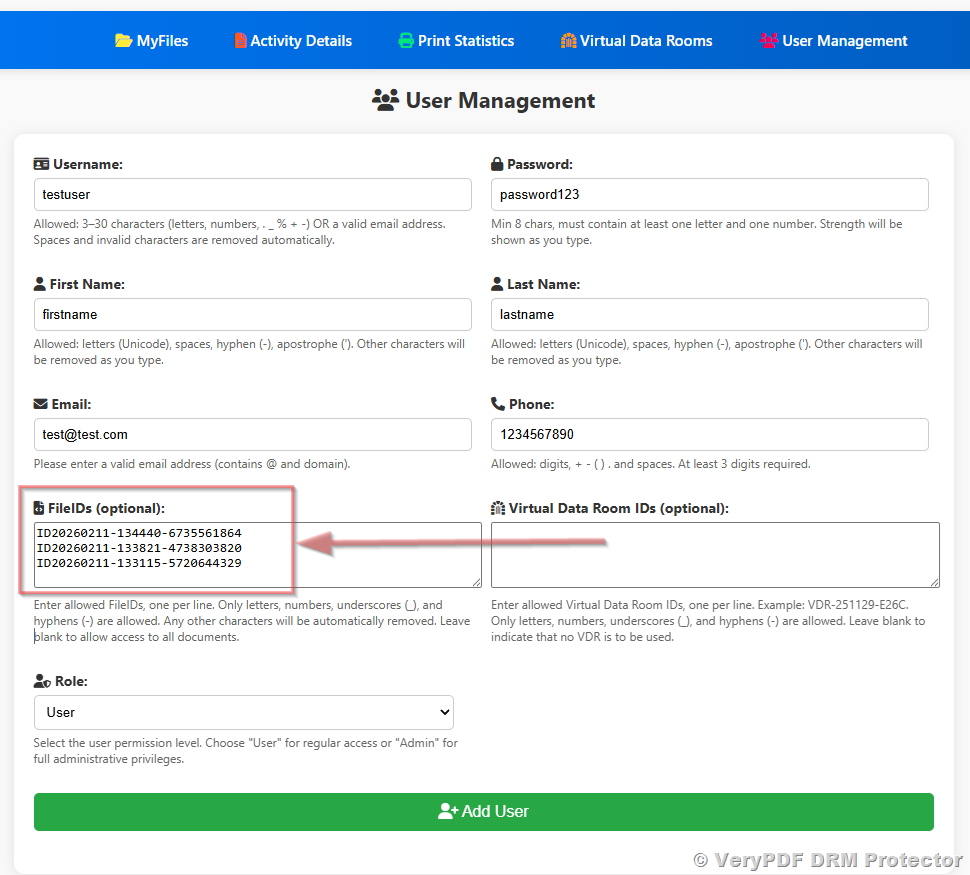
  • Restrict access: You can limit PDF access to enrolled students or specific users. Only authorized users can open your files.

  • Prevent printing, copying, forwarding, or DRM removal: The software ensures that students can read PDFs but cannot duplicate or distribute them.

  • Protect lecture slides, homework, and paid course materials: Every file you distribute can be fully controlled, reducing piracy and unauthorized sharing.

In my own workflow, I used VeryPDF DRM Protector for a set of research reports I shared with my graduate students. The ability to track who accessed the files and prevent them from converting content to Excel or Word saved me countless hours of follow-up emails and ensured that only enrolled students could benefit from the materials.

Exporting PDF Annotations to Excel for Education and Compliance

One of the features I’ve found indispensable is the ability to export PDF annotations to Excel. Here’s why it matters:

  • Audit and compliance: For research or institutional reports, being able to export annotations ensures you can document comments, highlights, and feedback in an organized way.

  • Education tracking: You can quickly see which students have interacted with your PDF assignments or study materials.

  • Simplified research and collaboration: When working on collaborative projects, exporting annotations to Excel allows for easy analysis, summary, and reporting.

Here’s a step-by-step example I follow with my lecture PDFs:

  1. Activate PDF annotations: Open your protected PDF via the VeryPDF web portal and enable annotation tools like Highlight, FreeText, Ink, and Stamp.

  2. Annotate the PDF: Add highlights, comments, and drawings directly on the file. Each student’s annotations are saved separately.

  3. Export to Excel: Once annotations are complete, use the export feature to create an Excel report. This report captures every comment, highlight, and stamp in a structured format.

  4. Review and analyze: You can now track engagement, feedback, and note areas where students might need more guidance.

In my case, exporting annotations helped me identify which parts of my lecture slides were confusing for students. I could see patterns in their highlights and comments, then adjust my teaching material accordingly. It’s a practical, time-saving tool that enhances both teaching and learning.

Anti-Piracy Benefits for Educators

Apart from annotation management, VeryPDF DRM Protector prevents common forms of PDF piracy:

  • Stops students or hackers from bypassing PDF security.

  • Prevents conversion of PDFs to Word, Excel, or images.

  • Maintains full control over who can access, read, or annotate your content.

I recall a colleague who was distributing a paid online course. Before DRM protection, several course PDFs were shared on forums, reducing enrolment. After implementing VeryPDF DRM Protector, the PDFs were fully secured. Students could still interact with the materials, but piracy attempts were instantly blocked.

Real Classroom Examples

  • Lecture slides: I distribute slides weekly. Students can annotate for personal use, but cannot copy or forward them. I can even export their annotations to track comprehension.

  • Homework PDFs: Assignments remain secure, ensuring fairness in grading and preventing mass sharing.

  • Paid course materials: Online students can access content easily, but all downloads are encrypted and controlled, protecting intellectual property.

Practical Tips for Teachers

  • Enable annotations per user: Each student’s annotations are private, keeping feedback personal.

  • Use export features for assessment: Export highlights and comments to Excel to monitor participation and understanding.

  • Leverage stamps and signatures: Approve, reject, or mark completed annotations without altering the original PDF content.

  • Prevent misuse on mobile devices: Annotation tools are mobile-friendly, but DRM restrictions remain effective across devices.

These features make DRM-protected PDFs not just secure, but interactive. Students can engage with materials without compromising your control.

Why I Recommend VeryPDF DRM Protector

For me, VeryPDF DRM Protector is more than just securityit’s a teaching assistant. It reduces administrative headaches, prevents piracy, and helps me track student engagement. Whether it’s exporting annotations to Excel for compliance or simply making sure homework isn’t shared online, this tool has become essential in my workflow.

I highly recommend this to anyone distributing PDFs to students. It’s easy to use, effective, and provides peace of mind knowing your materials are secure.

Try it now and protect your course materials: https://drm.verypdf.com
Start your free trial today and regain control over your PDFs.

FAQs

Q: How can I limit student access to my PDFs?

A: VeryPDF DRM Protector allows you to restrict access to enrolled students or specific users only. Unauthorized users cannot open the PDF.

Q: Can students still read PDFs without copying, printing, or converting them?

A: Yes. Students can view and annotate PDFs within the secure viewer, but all copy, print, and conversion options are disabled.

Q: How can I track who accessed my PDF files?

A: The platform logs user activity. You can see who opened the file, what annotations they made, and when.

Q: Does it prevent PDF piracy and unauthorized sharing?

A: Absolutely. DRM protection stops files from being forwarded, shared, or converted to other formats.

Q: How easy is it to distribute protected lecture slides and homework?

A: Very easy. Upload your PDFs, set permissions, enable annotations, and share links with students. Everything else is automatically protected.

Q: Can I export annotations for research or grading purposes?

A: Yes. Annotations can be exported to Excel, allowing you to audit, review, and analyse student interaction efficiently.

Q: Does it work on mobile devices?

A: Yes. Students can annotate on tablets or smartphones, but DRM restrictions ensure the files remain secure.

Tags or Keywords

protect course PDFs, prevent PDF piracy, stop students sharing homework, secure lecture materials, prevent DRM removal, anti-conversion PDF DRM, export PDF annotations, track student engagement, secure homework PDFs, classroom PDF security

VeryPDF DRM Protector Features User-Specific Annotations, Reusable Notes, and Style Customization for Professionals

Secure Your Course PDFs and Stop Students Sharing Homework with VeryPDF DRM

I’ve had those moments in class where I share my lecture slides or homework PDFs, only to later discover they’ve been forwarded, copied, or even uploaded somewhere online. As a professor, it’s frustratingand worryingto lose control over content I worked hard to create. I needed a way to protect my course PDFs, stop students sharing homework, and make sure my lecture materials stayed secure. That’s when I found VeryPDF DRM Protector, a tool that changed the way I distribute and manage my digital teaching content.

VeryPDF DRM Protector Features User-Specific Annotations, Reusable Notes, and Style Customization for Professionals

One of the biggest headaches for educators is content leakage. Imagine uploading a carefully prepared set of lecture slides, only to see them floating around online within days. Or sending homework PDFs to students who then forward them to classmates who aren’t even enrolled in your course. It happens more often than we like to admit, and it compromises not just the integrity of your teaching, but also the value of paid courses or premium content.

VeryPDF DRM Protector addresses these challenges head-on. It lets me control who accesses my PDFs, prevents printing or copying, and stops unauthorized conversions to Word, Excel, or images. I can share my materials confidently, knowing that only enrolled students can access them.

Let’s break down some common classroom pain points and how DRM Protector solves them.

One major issue is students sharing PDFs online. With standard PDFs, once a file leaves your hands, there’s no way to track it. VeryPDF DRM Protector locks PDFs to specific users. Each student receives a protected copy tied to their account, making it useless to anyone else. I remember a semester when a student tried forwarding homework to someone elsethey couldn’t open the file. That simple control saved me hours of monitoring and stopped content leakage before it even started.

Unauthorized printing and copying are another concern. I’ve seen students copy large portions of lecture slides or homework assignments for themselves or friends. DRM Protector allows me to disable printing and copying entirely. I can even restrict annotation visibility, so any notes students make on PDFs remain private. This feature is especially useful for exams or graded assignments distributed digitally.

Content conversion is a hidden risk. PDFs can easily be converted to Word, Excel, or images, allowing students to bypass restrictions or repurpose content. DRM Protector blocks these conversions. Once I set up the protections, my lecture slides, homework, and paid course materials remain exactly as I designed them, no matter who tries to manipulate the file.

Beyond security, DRM Protector makes teaching easier. Its PDF annotation tools are powerful yet intuitive. I can add highlights, free text, ink, and even custom stamps. Each annotation is tied to the student account and the specific protected PDF, which means I can provide personalized feedback while maintaining control. Students can save their notes and reuse them next time they open the PDF, improving study efficiency without risking content leakage.

Here’s how I set up annotations with VeryPDF DRM Protector:

  • Open the protected PDF in the Enhanced Web Viewer.

  • Enable annotation tools in the “Advanced Settings” menu.

  • Students can now highlight text, add comments, draw shapes, or insert stamps.

  • Annotations are saved per user and per PDF, so feedback is private and reusable.

  • I can export annotations if needed for grading or review.

The platform supports all types of annotations I needink, stamp, line, square, circle, polygon, polyline, highlight, underline, squiggly, strikeout, text, and free text. On mobile devices, students can still draw, highlight, or add comments with ease. Even custom stamps and signatures are supported, which adds a professional touch for assignments or graded submissions.

Using DRM Protector also reassured my students. They know their submissions are secure, and they don’t have to worry about losing personal notes or feedback. The tool balances security with usabilityno complicated downloads or software installations are required, and annotations work seamlessly in a browser.

Here are some practical steps I follow to make the most of DRM Protector in my courses:

  • Restrict PDF access to enrolled students only.

  • Disable printing, copying, and DRM removal to protect content.

  • Encourage students to use annotations for personal notes.

  • Use custom stamps and signature options for graded assignments.

  • Export annotations selectively for review or record-keeping.

  • Regularly monitor who accessed files and when.

The anti-piracy benefits are clear. By preventing forwarding, copying, and conversion, I’ve maintained complete control over my content. Not once have I had a student bypass these protections. Even if someone tries to share a PDF outside the course, it remains inaccessible.

In real terms, using VeryPDF DRM Protector saved me time and stress. Instead of constantly checking if slides or homework were circulating online, I can focus on teaching. Students are engaged and responsible because they know the materials are secure, and I can provide targeted feedback through annotations without worrying about misuse.

If you’re distributing lecture slides, homework PDFs, or paid course materials, this tool is a game-changer. It gives you peace of mind, protects your intellectual property, and streamlines your workflow. I highly recommend this to anyone distributing PDFs to students. Try it now and protect your course materials: https://drm.verypdf.com. Start your free trial today and regain control over your PDFs.

FAQs

How can I limit student access to PDFs?

With VeryPDF DRM Protector, you can assign PDFs to specific student accounts. Each file is encrypted and tied to the user, so only enrolled students can open it.

Can students still read PDFs without copying, printing, or converting?

Yes. Students can view and annotate PDFs in their browser safely. DRM restrictions prevent printing, copying, or converting, while allowing full reading and note-taking.

How do I track who accessed the files?

DRM Protector provides access logs. You can see which student opened a file, when, and for how long, giving you complete visibility into content usage.

Does it prevent PDF piracy and unauthorized sharing?

Absolutely. Files are user-specific and DRM-protected, so unauthorized sharing is blocked. Even if a student tries to forward the PDF, it won’t open for others.

Is it easy to distribute protected lecture slides and homework?

Yes. You upload your PDF, set protection and annotation options, and share the link. Students access the files directly in their browserno complicated installations required.

Can I provide personalized feedback through annotations?

Definitely. Annotations are saved per student and per PDF, so you can highlight, comment, or add stamps. Students can also reuse their notes when revisiting the PDF.

Does it work on mobile devices?

Yes. All annotation tools, including drawing, highlighting, and stamping, work on touch screens, making it convenient for students and teachers alike.

Keywords: protect course PDFs, prevent PDF piracy, stop students sharing homework, secure lecture materials, prevent DRM removal, anti-conversion PDF DRM, PDF annotations, secure homework distribution, user-specific PDF protection, lecture slide security

VeryPDF DRM Protector Tips Undo, Redo, Clear Annotations, and Customize Styles to Improve PDF Review Accuracy

How I Stopped PDF Sharing and Protected My Lecture Materials with VeryPDF DRM

As a professor, one of my biggest frustrations has always been seeing my carefully prepared lecture PDFs floating around the internet. I remember assigning a homework PDF to my students and, within days, finding copies shared on public forums. It’s not just about lost revenueit’s about losing control over my content and the trust of my students. I needed a way to protect my materials, prevent unauthorized sharing, and still allow students to interact with my PDFs. That’s when I discovered VeryPDF DRM Protector, and it completely changed how I manage course content.

VeryPDF DRM Protector Tips Undo, Redo, Clear Annotations, and Customize Styles to Improve PDF Review Accuracy

In my experience, there are a few pain points most educators face when distributing PDFs:

1. Students sharing PDFs online

It’s one thing to give students access to homework or lecture slides, but quite another when these files end up in the wrong hands. Shared PDFs can spread quickly via email, forums, or chat groups, undermining assignments and even affecting exam integrity.

2. Unauthorized printing, copying, or converting to Word

Even when PDFs are distributed privately, students sometimes convert them to Word or copy content into other formats. This not only risks plagiarism but also allows further distribution without consent.

3. Loss of control over paid or restricted content

For educators offering online courses or paid materials, the stakes are higher. Every PDF that’s leaked or copied reduces the value of your course and can lead to revenue loss.

To tackle these challenges, I turned to VeryPDF DRM Protector. Here’s how it helps in real classroom scenarios:

  • Restrict access to enrolled students: I can set PDFs so only specific students or accounts can open them. Even if someone tries to forward the file, it won’t open on an unauthorized device.

  • Prevent printing, copying, or forwarding: VeryPDF DRM Protector stops students from printing or copying content. Even screenshots or attempts to convert the PDF to Word, Excel, or images are blocked.

  • Protect lecture slides, homework, or paid course materials: All my essential teaching materials stay secure, and I can control who sees them.

The anti-piracy benefits are noticeable immediately. In one semester, a student tried to share a lecture PDF outside the class. Thanks to DRM protection, the file remained locked and useless to anyone not enrolled. It gave me peace of mind and allowed me to focus on teaching rather than policing content.

Another feature I love is PDF annotation support. With VeryPDF, students can highlight, add free text, insert images, or make comments without ever altering the original PDF. I can:

  • Save annotations per student and per PDF

  • Track progress and comments in real-time

  • Undo, redo, or clear annotations to maintain review accuracy

  • Customize styles, colors, and opacity for better visual clarity

For example, during a group project, students submitted annotated PDFs directly through the DRM system. I could see their notes, corrections, and highlights without worrying about someone tampering with the source material. This streamlined the review process and kept the original content secure.

The step-by-step setup is straightforward:

  1. Open your protected PDF files on the VeryPDF portal.

  2. Click “Actions” “Edit Settings” for the chosen PDF.

  3. In “Advanced Settings,” enable annotation tools like highlight, free text, ink, and stamp.

  4. Click “Save,” then open the Enhanced Web Viewer to annotate PDFs online.

This simple process allowed me to roll out annotations for all my course PDFs in just a few minutes. Students could interact with content safely, and I kept full control over the original materials.

Real classroom moments where DRM Protector proved essential:

  • During exam week, I shared sample solutions as PDFs. Normally, these would be copied or shared online. DRM protection ensured they stayed within the class.

  • For my paid online course, I could track who accessed lecture slides and prevent unauthorized sharing. This made course management much smoother.

  • Annotating collaborative assignments became easier, as each student’s input was visible but protected from editing by others.

Using VeryPDF DRM Protector also saved me time. Before, I had to constantly remind students not to share PDFs and check online for leaks. Now, I simply distribute materials via DRM-protected PDFs, and I know my content is secure.

If you’re distributing PDFswhether lecture slides, homework, or paid materialsthis tool is a game-changer. It keeps your content secure, stops piracy, and allows students to interact safely with your materials.

I highly recommend this to anyone distributing PDFs to students. Protecting your course materials doesn’t have to be complicated, and it frees you to focus on teaching.

Try it now and protect your course materials: https://drm.verypdf.com
Start your free trial today and regain control over your PDFs.

FAQs

Q1: How can I limit student access to PDFs?

A1: VeryPDF DRM Protector allows you to restrict PDFs to specific users or enrolled students. Only authorised accounts can open the file, preventing unwanted access.

Q2: Can students still read PDFs without copying, printing, or converting them?

A2: Yes. DRM protection allows students to view and annotate PDFs while blocking printing, copying, forwarding, or conversion to other formats.

Q3: How can I track who accessed my files?

A3: The system logs access per user. You can see which students opened PDFs, when they did, and what annotations they added.

Q4: Does it prevent PDF piracy and unauthorized sharing?

A4: Absolutely. Files are encrypted and locked to authorized users, preventing sharing, conversion, or bypassing of DRM controls.

Q5: How easy is it to distribute protected lecture slides and homework?

A5: Distribution is simple. Upload PDFs to the VeryPDF portal, set access and annotation permissions, then share the link with your students.

Q6: Can students annotate PDFs securely?

A6: Yes, students can highlight, add free text, insert stamps, and draw without altering the original content. All annotations are saved per student and per PDF.

Q7: Can I customize annotation styles and undo mistakes?

A7: Yes. You can adjust colors, opacity, stroke width, and undo, redo, or clear annotations as needed. This keeps review and feedback accurate.

Tags/Keywords

protect course PDFs, prevent PDF piracy, stop students sharing homework, secure lecture materials, prevent DRM removal, anti-conversion PDF DRM, PDF annotation security, lecture slide protection, homework PDF protection, digital content control

Step-by-Step Guide to Annotate PDF Documents Without Uploading Files for Secure Corporate and Educational Use

Secure and Annotate PDFs While Preventing Students from Sharing or Converting Materials

Protect your course PDFs and prevent students from sharing, copying, or converting lecture materials with secure DRM protection.

Step-by-Step Guide to Annotate PDF Documents Without Uploading Files for Secure Corporate and Educational Use

As a professor, I’ve often felt that uneasy sinking feeling when I realise that my carefully prepared lecture slides or homework PDFs might be circulating online without my permission. One semester, I noticed that a few students had shared a paid course packet with others who weren’t even enrolled in my class. It was frustrating, time-consuming, and frankly, demoralising. If only there was a way to let students annotate and interact with the materials without losing control or worrying about piracy.

This is where VeryPDF DRM Protector became a game-changer. It’s designed to protect course PDFs while still allowing students to annotate, highlight, and interact with materials in a secure environment. Here’s how I solved common classroom frustrations and ensured my PDFs stayed where they belonged.

One of the biggest challenges in teaching today is keeping digital content secure. Students frequently share PDFs or homework assignments online, intentionally or accidentally. This not only undermines the integrity of your courses but can also affect enrollment in paid programs. Another common issue is unauthorized printing or copyingonce a PDF is out, it’s incredibly hard to control. Lastly, converting PDFs into Word, Excel, or images is alarmingly easy, which often leads to uncontrolled distribution and piracy.

VeryPDF DRM Protector addresses all of these pain points. Here’s what makes it work so effectively in real classroom scenarios:

  • Restricting access: You can limit PDF access only to enrolled students or specific users. This means each student has their own secure login, preventing unauthorized sharing.

  • Preventing misuse: Printing, copying, forwarding, or even DRM removal is blocked. Students can read and annotate the materials but cannot distribute or modify them outside the secure platform.

  • Protecting valuable content: From lecture slides to homework PDFs or paid course materials, you maintain full control over your intellectual property.

For example, in one of my advanced biology courses, I uploaded the lab protocols as DRM-protected PDFs. Students could highlight important sections, add free text notes, and even insert images of their experimental results. But, they couldn’t print or copy the content to share with others. The best part? The annotations were saved individually for each student, so they could return to their notes later without compromising security.

Here’s a practical step-by-step example of how I use VeryPDF DRM Protector for annotation while maintaining security:

  1. Open the protected PDF in the VeryPDF DRM web viewer.

  2. Click “Actions” -> “Edit Settings” on the PDF file.

  3. In “Advanced Settings,” enable:

    • ToolbarButton_Download=show

    • ToolbarButton_editorHighlight=show

    • ToolbarButton_editorFreeText=show

    • ToolbarButton_editorInk=show

    • ToolbarButton_editorStamp=show

    • ToolbarButton_SaveAnnotations=show

  4. Click “Save,” then return to the book list and select “Enhanced Web Viewer” to annotate online.

The annotation tools are robust: students can highlight text, add freehand ink, insert stamps or shapes, write free text, or even draw signatures. I remember one student struggling with organizing her essay notes. Using the annotation tools, she could structure her thoughts directly on the PDF without losing access to the original content. Meanwhile, I remained confident that no one outside the class could misuse the files.

Beyond annotations, VeryPDF DRM Protector prevents students or hackers from converting PDFs to Word, Excel, or images. This stops the content from being distributed through unofficial channels, which is critical for paid courses or proprietary research materials. Maintaining control over content distribution ensures the integrity of the course and protects your time and effort invested in creating the materials.

The anti-piracy benefits are tangible. Once I started using DRM Protector, I no longer had to worry about students emailing PDFs to friends or posting them on forums. The system logs user access, so I can track who viewed or annotated a document. This visibility is invaluableit adds accountability and peace of mind.

Using DRM protection also simplifies workflow. In one semester, I was able to distribute a complete set of lecture slides for a semester-long seminar online. Students could annotate them in real-time, and I could even provide feedback directly on their annotations. It saved hours of back-and-forth emails, reduced printing costs, and eliminated the risk of unauthorized sharing.

Here are some practical tips for professors using VeryPDF DRM Protector:

  • Enable per-user annotations: Ensure each student’s notes are private and linked to their account.

  • Use multiple annotation types: Encourage students to use highlights, stamps, and freehand ink for better engagement.

  • Leverage access controls: Only enrolled students should access course PDFs to prevent leakage.

  • Monitor access logs: Regularly check who accessed the files to spot any unusual activity.

The combination of annotation flexibility and DRM protection makes it easy to run secure online courses without sacrificing interactivity. Students still get the learning benefits of annotating PDFs, while professors retain control over their content.

Over time, I’ve realized that investing in secure PDF tools like VeryPDF DRM Protector is not just about preventing piracyit’s about fostering a professional, respectful digital classroom environment. When students know the materials are protected, they treat them more responsibly. And as an instructor, I can focus on teaching instead of constantly worrying about unauthorized sharing.

I highly recommend this to anyone distributing PDFs to students. If you want to protect your lecture slides, homework assignments, or paid course content, this tool makes it simple to annotate securely and prevent misuse.

Try it now and protect your course materials: https://drm.verypdf.com

Start your free trial today and regain control over your PDFs.

Frequently Asked Questions

Q: How can I limit student access to PDFs?

A: VeryPDF DRM Protector allows you to restrict access to specific users or enrolled students only, preventing unauthorized sharing.

Q: Can students still read and annotate PDFs without copying, printing, or converting?

A: Yes, students can highlight, add free text, draw, or insert stamps directly in the protected PDF, all while restrictions prevent copying, printing, or conversion.

Q: How do I track who accessed the files?

A: The system logs user activity, so you can monitor which students viewed or annotated the PDFs.

Q: Does this prevent PDF piracy and unauthorized sharing?

A: Absolutely. The DRM protection blocks printing, copying, forwarding, and DRM removal, keeping your content secure.

Q: How easy is it to distribute protected lecture slides and homework?

A: Distribution is simpleyou upload PDFs to the DRM platform, set access permissions, and students access files securely online, no extra software needed.

Q: Can students save their annotations?

A: Yes, annotations are saved per user and can be revisited whenever they access the PDF again.

Q: Are mobile devices supported for annotations?

A: Yes, VeryPDF DRM Protector supports touch devices, allowing students to annotate on tablets or smartphones.

Tags/Keywords:

protect course PDFs, prevent PDF piracy, stop students sharing homework, secure lecture materials, prevent DRM removal, anti-conversion PDF DRM, secure PDF annotations, online course PDF security, lecture PDF protection, prevent unauthorized PDF sharing