How to Sell Research Reports Securely: Protect Your Revenue and Stop Unauthorized Sharing?

Research reports are integral to decision-making processes across industries such as finance, marketing, compliance, and competitive analysis. Whether for in-house use, regulatory purposes, or to advise governments and large corporations, these reports hold immense value. However, with the increasing ease of digital distribution, ensuring their protection from unauthorized access, sharing, copying, and piracy is more important than ever.

https://drm.verypdf.com/online/

How to Sell Research Reports Securely: Protect Your Revenue and Stop Unauthorized Sharing?

Why You Need to Protect Research Reports You Sell Online

Research reports are often not meant for public consumption. There are various reasons why these documents need to be kept private:

  1. Confidentiality: Some reports contain personal or sensitive information that cannot be legally shared.
  2. Competitive Advantage: In competitive sectors, making research public could compromise business strategies.
  3. Protecting Value: Research reports often contain proprietary analysis. If freely available, their value diminishes, and they may be misused.
  4. Credibility: Misinformation can spread if a report is altered or misused. It’s essential that the content remains trustworthy and intact.

To maintain the value, safety, and relevance of your research reports, they need to be protected from unauthorized sharing, editing, and distribution.

How to Sell Reports Online Securely?

Selling research reports online offers convenience, but it also comes with risks. Let’s look at how to do this securely.

  1. Secure Online Document Sharing & Viewing Sites
    Several platforms allow you to upload and share reports, and your customers can access them directly via a browser. However, they have limitations:
    • Login Sharing: Users can share login information with others, giving them unauthorized access.
    • Weak Tracking: VPNs and proxies can obscure users’ real locations, making it hard to track access.
    • Weak Security: If you allow printing or downloading, users can bypass protections by converting files into unprotected formats.
    • Manipulable Protection: Browser-based controls, such as those used in Google Docs, are vulnerable to manipulation and may not be effective.
  2. VeryPDF DRM Protector
    The best way to protect your research reports from unauthorized sharing is to use VeryPDF DRM Protector. This Digital Rights Management (DRM) solution provides robust encryption and controls that secure your reports without relying on passwords, ensuring only authorized users can access them. Features include:
    • Editing Prevention: Block any attempts to edit the content.
    • Copy Prevention: Disable the ability to copy text, images, and data.
    • Print Prevention: Restrict printing or allow only limited printing with controlled formats.
    • Screenshot Prevention: Prevent users from taking screenshots or screen grabs.
    • Expiry: Set expiration dates for reports or limit the number of views or prints.
    • Location and Device Locking: Ensure that reports can only be accessed from specific devices or locations.
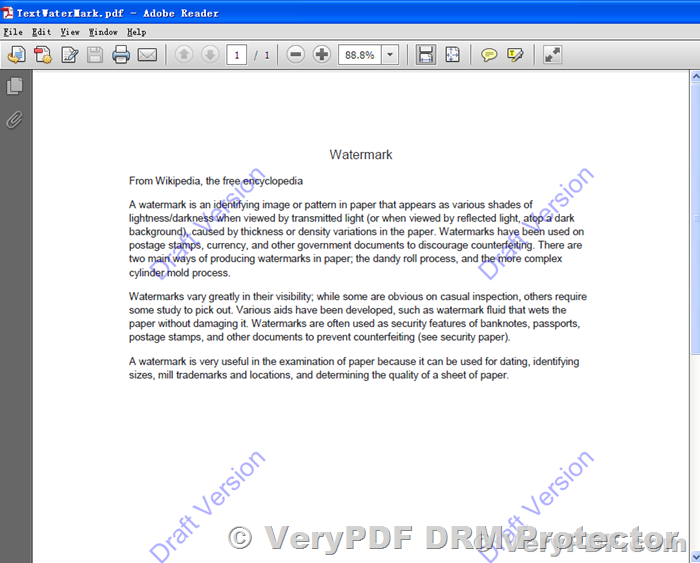
    • Watermarking: Add dynamic watermarks that display the user’s identity, making it clear who the report belongs to.
    • Tracking: Track who accesses or prints the report, and monitor the document’s usage.
    • Remote Revocation: Instantly revoke access if needed, ensuring unauthorized individuals cannot access the report.

How VeryPDF DRM Protector Differs from PDF Password Protection?

PDF password protection often fails to provide a high level of security, as passwords can be shared easily, and once a file is decrypted, it’s exposed to potential misuse. VeryPDF DRM Protector, on the other hand, uses an advanced encryption system and a secure viewer application. Here’s how it works:

  • When a user purchases a report, they receive a license link via email, which activates the report on their device.
  • The report is locked to that specific device, and unauthorized users cannot access it, even if they receive the file.
  • There’s no password to share or bypass; instead, access is controlled by a key-based authentication system.
  • Unlike other systems, DRM protection prevents unauthorized modifications and ensures content is decrypted only in memory on the authorized device.

Benefits of Using DRM to Sell Research Reports

Implementing DRM for research reports brings several benefits:

  1. Remote Control: You can update controls remotely, adjusting restrictions or expiring outdated reports.
  2. Watermarking: Dynamic watermarks display user information, discouraging unauthorized sharing.
  3. Tracking and Logging: You can track document access, printing, and sharing, allowing you to identify misuse.
  4. Streamlined Subscription Management: For subscription-based reports, DRM allows easy control of access, ensuring subscribers only have access to current reports and can’t access expired documents.

Best Way to Protect Research Reports When Selling Online

To effectively secure research reports, using a PDF DRM solution like VeryPDF DRM Protector is the most reliable method. It allows you to sell reports securely while controlling who can view, copy, print, and share the content. By combining DRM with the right e-commerce platform, you can ensure your valuable reports remain protected, and your revenue remains intact.

With DRM, you can protect your intellectual property, prevent illegal sharing, maintain control over document distribution, and safeguard your reputation as a credible source of information.

How to Prevent PDF Sharing: Why Popular Solutions Can not Stop It and What You Should Be Using Instead?

PDF files are ubiquitous in today’s digital world. They are used across industries, from education and publishing to finance and government, to share information, documents, and knowledge. However, a major challenge with PDFs is the ability to protect them from unauthorized sharing. Whether you work in a highly sensitive industry or are simply concerned about the security of your intellectual property, it’s crucial to find the right solution to prevent unauthorized access, sharing, or distribution of your documents.

Many people rely on popular solutions like Adobe Acrobat, secure data rooms, or Enterprise Rights Management (ERM) systems to prevent PDF sharing, but these solutions often fall short. In this article, we’ll explain why these methods don’t work effectively and suggest the best way to prevent PDF sharing using VeryPDF DRM Protector.

https://drm.verypdf.com/online/

How to Prevent PDF Sharing: Why Popular Solutions Can not Stop It and What You Should Be Using Instead?

Why Popular PDF Protection Methods Fail

  1. Adobe Acrobat’s Password ProtectionOne of the most common ways to “secure” a PDF file is by adding a password. Adobe Acrobat offers this feature, but it’s not as secure as many believe. Here’s why:
    • Password Sharing: Once you share a password-protected PDF, anyone with the password can access it. This means that even though the PDF is “protected,” users can simply share the password with others, rendering the security useless.
    • Easy to Remove Permissions: The permissions you set for Adobe PDFs, such as preventing printing or editing, are often easy to bypass using readily available online tools. Anyone with basic technical knowledge can remove these restrictions with a few clicks.
    • Flawed Security: Adobe’s security features were never designed to stop determined attackers. The encryption methods used can be easily broken, making this solution highly ineffective for protecting sensitive information.

    Adobe Acrobat’s approach to PDF protection provides a false sense of security and often results in documents being shared or edited without permission.

  2. Secure Data RoomsSecure data rooms are often used in industries such as real estate, law, and finance to share confidential documents. While they provide a higher level of control over documents, they still have limitations:
    • Limited Security in Shared Environments: When multiple people have access to a document within a secure data room, they can still download, print, and share it with others if they have the necessary permissions. This defeats the purpose of preventing unauthorized distribution.
    • Access Control Weaknesses: Even with data rooms, there is often a lack of granular access controls, such as preventing screenshots or limiting the document’s use to specific devices or locations.
  3. Enterprise Rights Management (ERM) SystemsERM systems are used by large enterprises to protect documents and other digital assets. While they provide strong control within the organization, they are often too complex and unsuitable for external sharing. ERM solutions typically have:
    • Complexity: They are hard to set up and require significant resources to manage and maintain. Training and operational overheads make them impractical for smaller businesses or individuals.
    • External Sharing Limitations: ERM systems don’t handle external sharing effectively. Sharing PDFs with external parties without giving them control over the documents can be very challenging.

How to Make a PDF Unshareable?

To truly prevent PDF sharing, you need a robust solution that offers more than just basic password protection or encryption. Here’s how you can better protect your PDFs:

  1. EncryptionEncryption can protect a document while it’s in transit or stored, but it won’t prevent sharing once the document has been decrypted. If someone has the decryption key, they can share the PDF as they please. This means that encryption alone is insufficient.
  2. VeryPDF DRM ProtectorThe best way to prevent PDF sharing is to use a Digital Rights Management (DRM) solution like VeryPDF DRM Protector. This tool provides advanced features that traditional solutions cannot match, such as:
    • Irremovable Dynamic Watermarks: Watermarks are displayed with the user’s identity (name, email, etc.), making it clear who the document belongs to and discouraging sharing.
    • Remote Document Revocation: With DRM protection, you can revoke access to a document even after it has been shared, ensuring that unauthorized users can no longer access it.
    • Self-Destructing Documents: You can set documents to self-destruct after viewing or printing, eliminating the risk of sharing.
    • Restrict Editing and Printing: VeryPDF DRM Protector prevents users from editing or printing the document, ensuring that the document remains in its original form.
    • Location and Device Restrictions: You can lock documents to specific devices and locations, ensuring that only authorized users in trusted environments can view the document.
    • Tracking and Logging: The software allows you to monitor who has opened or printed the document and from which location, providing better control over the document’s usage.

How to Prevent Sharing of a PDF You Sold?

If you’ve already sold your PDF and noticed it being shared, your options are limited. Legal action or takedown requests might help, but they are often ineffective due to the anonymity of online users and the refusal of some platforms to comply.

To avoid this issue in the future, make sure to protect your PDFs before selling them by using VeryPDF DRM Protector. The solution prevents unauthorized sharing by making the encrypted .vpdf file useless without the decryption key. Even if someone tries to share the file, they won’t be able to access it.

Additionally, with the e-commerce API, you can automate the process of adding customers to your admin system for quicker distribution and faster protection.

Conclusion: The Best Way to Protect a PDF from Sharing

The best way to prevent PDF file sharing is to protect your documents before you send them out. While popular methods like Adobe Acrobat and secure data rooms fail to provide true protection, VeryPDF DRM Protector offers a comprehensive solution to ensure your PDFs stay secure.

With VeryPDF DRM Protector, you can apply dynamic watermarks, prevent editing and printing, revoke access remotely, and track who has accessed your document. You can even set documents to self-destruct after being viewed, ensuring maximum protection.

If you’re serious about protecting your PDFs and stopping unauthorized sharing, start your 15-day free trial of VeryPDF DRM Protector today!


FAQs

How do you prevent your documents from being copied or shared on a laptop?

With VeryPDF DRM Protector, the protection applies regardless of where the device is physically located. You retain control over the document with the ability to remotely revoke access and restrict opening to certain locations.

Can I email a PDF, but prevent the recipient from sharing or copying it?
Yes, using a PDF DRM solution like VeryPDF DRM Protector will prevent the recipient from copying, printing, or sharing the document.

If I sell a PDF, does VeryPDF DRM Protector take a cut of the sales?
No, VeryPDF DRM Protector does not take a cut of your sales. You pay a fixed monthly or yearly cost for protection, regardless of how successful your sales are.

Can you prevent PDF file sharing using Adobe Acrobat?
No, Adobe Acrobat’s password protection and permissions can easily be bypassed, making it ineffective for preventing sharing.

Can VeryPDF DRM Protector track who a document has been shared with?
Yes, if logging is enabled, VeryPDF DRM Protector can show you who has viewed or printed a document, when, and where from.

How to Protect Online Course Content from Piracy, Theft & Sharing with VeryPDF DRM Protector?

As online courses and digital training materials continue to replace physical classes and printed courseware, protecting these resources from piracy and unauthorized sharing has become more crucial than ever. Ensuring your content remains secure and only accessible to authorized users can prevent theft, loss of intellectual property, and revenue loss. One of the best ways to protect online course content is by using VeryPDF DRM Protector. Here’s how you can secure your online courses and courseware with this powerful PDF DRM (Digital Rights Management) solution.

https://drm.verypdf.com/online/

How to Protect Online Course Content from Piracy, Theft & Sharing with VeryPDF DRM Protector?

Secure Online Distribution of Course Content

In the post-COVID-19 era (pCRE), there has been a shift in how training materials are handled. Printed course materials that were once distributed at the beginning of a session are now moving online, making it essential to protect these materials during distribution and after they are in the hands of recipients. Here’s how you can secure online course content that consists of PDF documents:

Protect Course Content from the Start

The key to effective protection begins right from the moment your course content is created. By encrypting course materials locally on your own PC or server, you avoid uploading unprotected content to websites or cloud storage, where they could be vulnerable to hacking. With VeryPDF DRM Protector, you can encrypt your PDF files locally and then securely upload them for distribution without worrying about unauthorized access.

Additionally, course content can be protected directly on USB flash drives and distributed to students along with a secure viewer and license to access it. This allows for offline access to course materials, ensuring that students do not need to be connected to the Internet to complete their lessons.

Avoid Using Password Protection

Adobe’s password protection for PDFs has long been outdated and can be easily bypassed with free password removal software. VeryPDF DRM Protector, on the other hand, uses a secure licensing system to authorize users and devices without the need for passwords. The encrypted document keys are transparently delivered to authorized devices and stored in an encrypted keystore, ensuring that unauthorized users cannot access the content.

For browser-based access, VeryPDF DRM Protector includes an ID/password logging system to authenticate users, with added controls like restricting access to specific IP addresses and watermarking the content with the licensed user’s identity. This further discourages unauthorized sharing or distribution of your course materials.

Be Careful with Browser Viewers

Web browser-based viewers are often convenient but come with several weaknesses. They typically require an active Internet connection, and once the content is decrypted and displayed, it’s vulnerable to screen grabbers and other third-party applications. Some systems even require users to disable security controls or enable JavaScript, which can expose your content to risks.

Unlike typical web-based viewers, VeryPDF DRM Protector provides a secure browser viewer that enforces watermarks and usage limits while ensuring that end-point security is not compromised. This viewer also supports start and stop dates, limiting the number of views, and ensuring your content remains under tight control.

Offline Access to Protected Course Content

While online access is often the primary method for accessing secure courseware, there are many instances where students may need to access materials offline. VeryPDF DRM Protector allows you to configure the security controls to work offline, including checking for license validity at set intervals or only when an Internet connection is available. This ensures that your course content remains secure, even when students are not connected to the Internet.

For situations where no installation of an app is possible, VeryPDF DRM Protector‘s secure USB feature allows you to distribute protected PDF documents on a USB drive, ensuring content is accessible offline without the need for additional software.

Discourage Photo or Photocopying of Content

A common issue with distributing digital documents is that students might take screenshots or photocopy materials, which can lead to unauthorized distribution. While you can’t stop this entirely, VeryPDF DRM Protector helps by applying dynamic watermarks that can display the authorized user’s identity, including their name, email, and company name. This makes it clear who the content belongs to and discourages users from sharing it.

These watermarks are applied separately to screen views and printed documents, and you can adjust their opacity to ensure that the watermark is visible but not intrusive to the content.

Integration with E-learning Platforms

To protect online course content seamlessly, you need a solution that integrates with your existing e-learning platform, such as Moodle. VeryPDF DRM Protector provides an API for integration with e-learning systems and shopping cart solutions, making it easy to automate license delivery and access management for students. This helps you protect your Moodle courses and materials without worrying about manual distribution.

Prevent Unauthorized Use of USB Drives

In cases where course content is delivered via USB drives, it is crucial that the DRM protection extends to the content on the USB, not just the device. With VeryPDF DRM Protector‘s Secure USB feature, the content on the USB drive is protected, and licensing is applied to the user, ensuring that unauthorized copying or distribution cannot occur.

Conclusion

Protecting your online course content from piracy, theft, and unauthorized sharing is essential to maintaining the value of your intellectual property. VeryPDF DRM Protector provides a comprehensive suite of tools to secure PDF course materials, whether they are distributed online, via USB drives, or accessed offline. With features like encryption, watermarking, device-specific licensing, and secure offline access, VeryPDF DRM Protector ensures that your online courses remain protected from unauthorized distribution, allowing you to focus on what matters most—teaching and sharing knowledge.

Take a free 15-day trial of VeryPDF DRM Protector today and start securing your course content against piracy and theft!

How to Protect Ebooks from Sharing & Copying

The ebook industry is booming, generating millions in revenue each year, but one significant challenge remains: piracy. Unlike physical books, ebooks can be duplicated easily, and this opens the door for unauthorized sharing and theft. In this article, we will explore how to protect your ebooks from piracy, the limitations of copyright laws, and the effectiveness of Digital Rights Management (DRM) solutions in preventing copying and sharing.

How to Protect Ebooks from Sharing & Copying

Are Ebooks Protected from Copyright?

Yes, ebooks are protected by copyright laws as soon as they are created. Regardless of whether your ebook is distributed digitally or stored on your personal computer, copyright protection is granted from creation. You do not need to register your ebook with a copyright agency for protection, although doing so provides added security and can be useful if you need to take legal action in the future.

Do Ebook Copyright Laws Stop Piracy?

Unfortunately, copyright laws alone do not prevent piracy. Even though the Digital Millennium Copyright Act (DMCA) enables authors and publishers to request the removal of pirated content, enforcement is challenging. Pirates can circumvent legal efforts, often by using VPNs and other tools to evade detection. Moreover, pirated copies can spread quickly across the internet, making it difficult to track and remove infringing content.

How to Protect Ebooks from Sharing, Copying, and Printing

While copyright laws can act as a deterrent, additional steps are needed to prevent unauthorized sharing, copying, and printing. One of the most common ways to secure your ebook is by using ebook copy protection software. However, not all solutions are effective.

Ebook DRM (Digital Rights Management)

Popular DRM solutions from companies like Amazon, Adobe, Google, and Apple restrict what users can do with ebooks, such as preventing copying and sharing. Unfortunately, DRM protection is often easy to bypass. Free tools like Calibre and Epubor allow users to strip DRM protection with minimal effort, rendering these solutions ineffective at truly protecting your ebook.

DRM Solutions with Browser Viewers

Some DRM solutions are cloud-based, allowing users to view ebooks in their browser. While these may seem secure, they come with several weaknesses:

  • No prevention of sharing: Users can easily share login credentials with others.
  • Weak copy and paste restrictions: These are enforced by JavaScript, which can be bypassed.
  • No protection from screenshots: Users can still take screenshots or copy the content by disabling security measures.

Browser-based DRM is not ideal for ebook security because it lacks control over the user’s device and operating system, making it easy to circumvent protections.

Social DRM (Watermarking)

Social DRM adds visible or invisible watermarks to ebooks in an attempt to deter piracy by identifying the purchaser. While this can be effective in some cases, it has its limitations:

  • Watermarks can be removed: Visible watermarks can be easily edited out, and invisible ones can be deleted by searching the ebook’s code.
  • Pirates can use fake identities: Watermarking relies on the purchaser’s identity, but pirates can use false information to avoid detection.
  • Limited deterrence: In countries without strong copyright laws or in cases where users share ebooks among friends, watermarks are not a strong enough deterrent.

PDF Password Protection

Many people turn to password-protecting PDFs to secure their ebooks. Unfortunately, this is not an effective method for preventing piracy:

  • Password sharing: The password can be shared easily.
  • Password cracking: Tools can quickly remove PDF passwords.
  • Easy to bypass: Copying, editing, and printing restrictions can be removed using free software or online services.

Secure Expiring Download Links

Some publishers use secure, expiring download links to limit the distribution of their ebooks. While this can prevent multiple downloads, it doesn’t stop users from sharing the ebook once it’s downloaded. Once the file is in the user’s possession, they can share it freely.

The Best Way to Protect Ebooks from Sharing & Piracy

After evaluating the various DRM solutions and copy protection methods, it’s clear that most are ineffective at fully protecting ebooks. The best approach to prevent sharing and piracy is to use a dedicated DRM solution, like VeryPDF DRM Protector. This solution:

  • Locks the ebook to authorized devices, preventing unauthorized access.
  • Stops copying, printing, and screenshots, ensuring the content remains secure.
  • Applies dynamic, non-removable watermarks, which deter piracy by tracing the content back to the user.

By using a solution like VeryPDF DRM Protector, you can ensure that your ebooks remain protected from sharing and piracy, allowing you to maintain control over your intellectual property.

Key Takeaways

  • Copyright laws alone are not enough to protect ebooks from piracy.
  • Popular DRM solutions can be easily bypassed using free tools like Calibre and Epubor.
  • Social DRM, which adds watermarks to ebooks, is ineffective unless it prevents watermark removal.
  • Browser-based DRM has numerous vulnerabilities and does not adequately protect content.
  • PDF password protection and secure download links provide little security.

To truly protect your ebooks, consider using a robust DRM solution like VeryPDF DRM Protector, which can lock your content to authorized devices, prevent copying, and discourage piracy with dynamic watermarks. This will help safeguard your ebooks and ensure your revenue stream remains intact.


FAQs

Is sharing ebooks illegal?

Yes, unless you are the copyright holder or the ebook is in the public domain, sharing ebooks without permission is illegal.

Is it legal to share an ebook with a friend?

No, unless the ebook’s license specifically allows sharing, or you are sharing it under a legal exemption, such as for educational purposes.

Does social watermarking prevent ebook sharing?

No, social watermarking does not prevent sharing. Watermarks can be easily removed or bypassed, making them an ineffective solution on their own.

Does ebook copyright prevent copying & sharing?

No, while copyright laws serve as a deterrent, they are difficult to enforce and do not prevent unauthorized copying or sharing.

Does Amazon provide copy protection for selling ebooks online?

Amazon provides DRM protection for ebooks sold through its platform, but this can be easily removed with tools like Calibre or Epubor.

What’s the best file format for ebook copy protection?

The PDF format offers the best protection against copying and sharing, especially when used with a robust DRM solution like VeryPDF DRM Protector.

[Solution] How to Sell Courses Online Securely: Stop Copying, Sharing, and Piracy?

Selling courses online is a lucrative way to generate passive income and expand your brand’s reach. However, there’s a significant challenge that many course creators face: protecting their content from piracy, unauthorized sharing, and copying. Once users gain access to your course materials, they can easily share, download, or even distribute the content freely, which can hurt your bottom line and the time and effort you’ve put into creating your courses.

In this blog, we’ll explore the problems associated with course protection solutions and what you should use instead to prevent theft and misuse of your valuable learning materials.

[Solution] How to Sell Courses Online Securely: Stop Copying, Sharing, and Piracy?

The Problem with Most Course Protection Solutions

Many course sellers rely on basic security measures, such as password-protecting their content, in hopes of keeping it secure. This might work to some extent but falls short when it comes to preventing users from sharing or pirating the content. Let’s take a closer look at some common issues with standard course protection:

1. Password Protection

Password-protected course portals are a common go-to solution for course sellers. While they allow only authorized users to access the content, the reality is that passwords can be shared, stolen, or even leaked. Users can simply copy and paste text, screen record videos, or distribute their login credentials to others. This basic protection isn’t enough to stop piracy, and it doesn’t address how users interact with the content.

2. Browser Vulnerabilities

Even if a course platform restricts logins to a single IP address or other security measures are implemented, browsers themselves have limited ability to stop screen grabbing tools. Users can manipulate their browser settings or use plugins to extract content from the page. This opens the door for unauthorized copying and sharing, defeating the purpose of implementing security measures in the first place.

3. PDF Protection

Many course sellers try to protect their course content by converting documents to PDF format and then applying security features such as password protection or copy restrictions. However, PDF security is often ineffective. Free tools can easily bypass password protections and Adobe’s permission system, allowing users to copy, print, or distribute your content at will.

What Should You Use Instead? DRM Protection

If you’re serious about protecting your online course content, you need a more robust solution: Digital Rights Management (DRM). DRM goes beyond basic password protection by offering comprehensive control over how users interact with your materials.

Here’s how DRM can address the problems mentioned above and provide real protection:

1. Prevent Unauthorized Access

A proper DRM solution prevents unauthorized users from opening or accessing course content. Even if someone has access to the documents, they won’t be able to engage with the material unless they are authorized.

2. Stop Screen Grabbing and Copying

With DRM, you can prevent users from screen grabbing, copying, or extracting information from your content. This means that users can view the materials but won’t be able to steal or distribute them by any means.

3. Focused and Secure Viewing

Some DRM solutions, like VeryPDF DRM Protector, even allow you to blank out the content when it’s not the active window, which discourages manual copying. This feature ensures that users can’t easily write down or take screenshots of your content while they’re distracted or multitasking.

4. Print Control

Printing is another potential vulnerability. If you allow users to print course materials, DRM gives you control over how that’s done. You can limit the number of prints, prevent printing in color, or even block users from printing to unprotected formats like PDF. You can also apply watermarks that identify the user, adding another layer of protection.

5. Device and Location Locking

In some cases, you may want to restrict course access to specific devices or locations. For example, if you’re selling training materials to a specific company, you may want to limit access to their office. DRM solutions can lock content to certain devices, ensuring that it’s only accessible to authorized users in authorized locations.

6. Expiry Dates and Tracking

An essential feature of DRM is the ability to enforce expiry dates on content. This is particularly useful for subscription-based courses or time-sensitive training programs. With DRM, you can ensure that users can only access the material for a specific period. Additionally, you can track how and when users interact with your content, giving you valuable insights into its usage.

Protecting Your Course Content with VeryPDF DRM Protector Safeguard

VeryPDF DRM Protector is a comprehensive DRM solution designed to secure online courses and training materials. Unlike basic password protection or PDF security, it uses encryption and secure licensing, with no reliance on passwords. Here’s how it works:

1. Seamless Integration and No Passwords

VeryPDF DRM Protector eliminates the need for passwords altogether. Instead, it uses encryption to secure your content. Once a user installs the Safeguard Viewer application and receives their license file, they can access any content assigned to them, but only within the confines of the DRM system. This method ensures that users can’t share decryption keys or access the content without permission.

2. Secure Viewing and Control

Content is decrypted in memory only, preventing any unauthorized extraction. DRM protects the content from being copied, screen grabbed, or shared. You can also apply dynamic watermarks to each document, identifying the user and further discouraging piracy.

3. Easy Management

For course creators, managing DRM protection is a breeze. The VeryPDF DRM Protector system allows you to group course documents into publications and automatically assign users based on their purchases. After installation, users can access the materials assigned to them without further interaction with the publisher. The system also tracks how often content is opened or printed, giving you useful analytics.

Considerations When Selling Online Courses

When selling courses online, it’s important to consider several aspects of content protection. Here’s a breakdown of things you should think about before implementing DRM:

1. Which Documents to Protect?

Not all course materials require protection. Consider protecting valuable or exclusive content while leaving supplementary information unprotected. Determine what needs to be restricted based on its significance and potential for piracy.

2. Do You Want to Allow Printing?

If you plan to allow users to print course materials, decide whether to restrict printing to low-quality, watermarked versions. While printing can be useful for some users, it also opens the door for copying and distribution.

3. Is Tracking Legal and Necessary?

Tracking user activity may be important, but it’s essential to comply with privacy laws. Make sure to inform users about what data you collect and how it will be used.

4. Expiry and Access Models

You need to decide whether your users should have lifetime access, temporary access, or both. Choose a payment model that works best for your business and your users.

5. Distribution Methods

Consider how you’ll distribute your course materials. Will you sell them digitally via your website, email, or a learning platform? Or do you plan to provide access through in-person education? For in-person education, you can use a USB stick with DRM-protected content for easier distribution.

Conclusion

To sell courses online securely, you need more than just a password-protected portal. DRM protection is the most effective way to prevent piracy, unauthorized sharing, and copying. With solutions like VeryPDF DRM Protector Safeguard, you can ensure that your course content remains protected and your revenue stream stays intact.

By using DRM, you can stop worrying about illegal sharing and focus on providing valuable, secure educational experiences for your users. Whether you’re selling eLearning courses, in-person training, or both, DRM is a must-have for safeguarding your intellectual property.