Locking a Word Document: Prevent Editing, Copying, Printing, and Sharing

When dealing with sensitive or confidential information in Word documents, it is essential to secure them against unauthorized editing, copying, printing, and sharing. This guide will explore why Microsoft Word’s built-in security features are inadequate and how VeryPDF DRM Protector provides a comprehensive solution.

Why Should You Lock Word Documents?

Failing to adequately secure a Word document can result in:

  • Leaked Information: Unauthorized copying or sharing of content.
  • Tampering: Altered critical details, such as financial data.
  • Unprofessional Modifications: Changes to fonts or layouts.
  • Unauthorized Circulation: Printed documents left in unintended hands.

While Word offers basic protection, these measures are easily bypassed. A robust solution is needed to ensure documents are genuinely secure.

Locking a Word Document: Prevent Editing, Copying, Printing, and Sharing

Microsoft Word’s Built-in Protection: Limited Effectiveness

Restrict Editing

Microsoft Word’s “Restrict Editing” feature allows you to make a document read-only. To apply it:

  1. Go to Review > Restrict Editing.
  2. Under “Editing restrictions,” select No changes (Read-only).
  3. Start enforcing protection with or without a password.

Limitations:

  • Passwords are optional, allowing users to disable protection easily.
  • Content can still be copied, printed, or saved in other formats, rendering this method ineffective.

Unlocking a Read-only Document

Even without a password, users can bypass restrictions by:

  • Printing the document as a PDF.
  • Copying content into a new file.
  • Converting to a different format and back to Word.

Effective Locking with VeryPDF DRM Protector

For reliable protection, VeryPDF DRM Protector provides the following features:

Encryption with 256-bit AES

VeryPDF DRM Protector encrypts documents, ensuring they can only be decrypted in memory. This prevents:

  • Copying, editing, or printing.
  • Unauthorized sharing.

Device-specific Access

Documents are locked to specific devices, preventing unauthorized access even if the files are shared.

Steps to Lock a Word Document

  1. Save your Word document as a PDF using File > Export > Create PDF.
  2. Right-click the PDF in File Explorer and select Make Secure PDF.
  3. Apply desired controls in the Writer application (e.g., disable printing or allow only viewing).
  4. Click Publish to encrypt the document.

The output file (“.vpdf”) is now protected, accessible only to licensed users.

Additional Features

  • Expiry Options: Set documents to expire after a specific date, number of opens, or prints.
  • Watermarking: Add non-removable watermarks to deter screenshots and unauthorized sharing.
  • Dynamic Tracking: Monitor document usage in real time.

Why VeryPDF DRM Protector is Superior

  • Prevent Unauthorized Changes: Unlike Word’s native tools, encrypted documents cannot be edited, copied, or printed.
  • Dynamic Watermarks: Automatically display user information for accountability.
  • Global Compatibility: Supported on Windows, macOS, iOS, and Android.
  • Granular Control: Customize permissions for different users.

FAQs

Why is my Word document locked?
The document is locked to restrict access or prevent edits. Contact the distributor for more details.

How do I unlock a Word document?
Unlocking requires the owner’s permission. VeryPDF DRM-protected documents cannot be unlocked without authorization.

Can Word’s encryption be bypassed?
Yes, Word’s password protection is weak. VeryPDF DRM Protector’s encryption and licensing make bypassing impossible.

What if I need editable fields?
Convert your Word document to PDF, then use VeryPDF DRM Protector to allow fillable fields while securing the rest of the content.

Conclusion

Microsoft Word’s built-in security features fall short of providing genuine protection. VeryPDF DRM Protector offers robust, comprehensive solutions to lock documents against unauthorized editing, copying, printing, and sharing. By ensuring encryption, access control, and additional features like expiration and watermarking, it provides the ultimate safeguard for your sensitive content.

Try VeryPDF DRM Protector for free today at https://drm.verypdf.com/online/ and experience the difference in document security.

PowerPoint Watermark: Add Non-Removable Watermarks for Ultimate Protection

Why Watermark PowerPoint Presentations?

PowerPoint presentations often serve as vital tools for sharing sensitive or confidential information. Unfortunately, these documents represent a blind spot in document security. Common practices like photographing slides, printing hard copies, or sharing digital versions can lead to unintended information leaks.

Training employees on confidentiality is crucial, but it cannot guarantee compliance 100% of the time. For additional protection, watermarks are a highly effective solution. A well-placed watermark can:

  • Deter Unauthorized Sharing: By displaying user-identifying details such as names and email addresses.
  • Mark Confidentiality: Clearly label sensitive slides as “Confidential” or “Do Not Distribute.”
  • Track Leaks: Include dynamic information like date, time, and user credentials to trace the source of leaks.

However, not all watermarks are created equal. Basic watermarks added through PowerPoint’s built-in tools are easily removed. To ensure your presentations remain protected, consider using VeryPDF DRM Protector.

PowerPoint Watermark: Add Non-Removable Watermarks for Ultimate Protection


Why Use VeryPDF DRM Protector for PowerPoint Watermarks?

While PowerPoint lacks native features for creating secure, non-removable watermarks, VeryPDF DRM Protector offers a robust solution. By converting PowerPoint files to secure PDFs, this tool allows you to:

  1. Add Dynamic Watermarks: Automatically insert user-specific details, such as names, email addresses, and timestamps.
  2. Prevent Unauthorized Editing: Use encryption to lock editing and prevent watermark removal.
  3. Protect Across Formats: Apply watermarks to both digital and printed copies, with customizable transparency and placement.
  4. Enhance Security: Restrict actions like copying, printing, and screen capturing to prevent data misuse.

Try VeryPDF DRM Protector for free online at https://drm.verypdf.com/online/.


How to Add a Watermark in PowerPoint with VeryPDF DRM Protector?

Step 1: Convert Your PowerPoint File to a Secure PDF

Save your PowerPoint file as a PDF to enhance its protection. Open the PDF in VeryPDF DRM Protector to begin applying security controls.

Step 2: Add a Text Watermark

  1. Open the “Watermark” tab in the DRM Protector interface.
  2. Check the “Add Text Watermark” option.
  3. Enter your desired watermark text, such as “Confidential” or “Authorized for [User Name].”
  4. Use dynamic variables to personalize the watermark with user details, date, or time.
  5. Customize font, size, color, position, and transparency to ensure the watermark is visible yet unobtrusive.

Step 3: Add an Image Watermark

  1. In the “Watermark” tab, check the “Add Image Watermark” option.
  2. Enter the URL to your watermark image, such as a company logo or “Confidential” stamp.
  3. Adjust opacity and placement to ensure the image spans the slide content without interfering.

Step 4: Customize Print Watermarks

If printing is allowed, apply a separate watermark for printed copies. This helps distinguish printed versions from digital ones.

  1. Open the “Watermarks” tab.
  2. Add a text or image watermark specifically for printed slides.
  3. Customize visibility and positioning for optimal protection.

Step 5: Publish the Secured File

Once you’ve configured your watermark settings, click “Publish” to encrypt the file. The resulting secure PDF ensures:

  • Only authorized users can view the presentation.
  • Editing, copying, and printing restrictions remain intact.
  • Watermarks are irremovable, even by advanced users.

Benefits of Using VeryPDF DRM Protector

  1. Uncompromising Security: AES 256-bit encryption ensures your files are safeguarded from unauthorized access.
  2. Dynamic Personalization: Automatically embed user-specific details to deter sharing and identify sources of leaks.
  3. Ease of Use: Simple, intuitive interface allows you to protect your files in just a few clicks.
  4. Cross-Platform Compatibility: Secure files can be shared via email, cloud services, or local networks without compromising security.
  5. Free Online Trial: Experience the full capabilities of VeryPDF DRM Protector for free at https://drm.verypdf.com/online/.

Why Traditional PowerPoint Watermarks Fall Short

Built-In PowerPoint Watermarks

While PowerPoint allows users to add watermarks through the Slide Master view, these can be easily removed by anyone with basic editing knowledge. Simply entering the Slide Master mode lets users delete or alter watermarks without restriction.

External Software Workarounds

Some third-party tools offer limited watermarking functionality but fail to address the core issue: protection against editing. Without encryption or DRM, watermarks remain vulnerable to removal.

The VeryPDF Advantage

Unlike traditional methods, VeryPDF DRM Protector ensures that watermarks are permanent and inseparable from the document. By securing files with robust DRM controls, you eliminate the risk of tampering or unauthorized access.


Conclusion

Watermarks are essential for protecting sensitive PowerPoint presentations from unauthorized sharing and misuse. However, relying on PowerPoint’s built-in tools or basic software solutions leaves your files vulnerable. By using VeryPDF DRM Protector, you can add dynamic, non-removable watermarks that offer unparalleled security and peace of mind.

Start protecting your PowerPoint presentations today with a free trial of VeryPDF DRM Protector at https://drm.verypdf.com/online/.

Is Google Drive Secure? Enhance File Protection with VeryPDF DRM Protector

Google Drive is widely known for its seamless document-sharing capabilities, making collaboration over the internet convenient. Despite its benefits—such as easy data backup and real-time editing—Google Drive’s security has some limitations. This article explores its security mechanisms, identifies vulnerabilities, and recommends ways to enhance the protection of sensitive files using VeryPDF DRM Protector, a powerful solution that can be tried for free online at https://drm.verypdf.com/online/.

Is Google Drive Secure? Enhance File Protection with VeryPDF DRM Protector


How Does Google Drive Security Work?

Google Drive employs multiple security layers to protect user data:

  1. Encryption in Transit: Files uploaded to Google Drive are transmitted using TLS encryption to prevent interception during transfer.
  2. Encryption at Rest: Stored files are encrypted using AES 256-bit encryption for added safety.
  3. Google Account Security: Sharing documents via specific Google accounts is more secure than using public links.
  4. Browser-Based Controls: Editing and printing restrictions are enforced via JavaScript when users access files.

Although these measures offer basic security, they may not suffice for business or confidential file sharing.


Google Drive Security Concerns

1. Browser-Based Vulnerabilities

Google Drive’s document controls rely on JavaScript, which operates partially on the client side. This exposes files to bypass techniques such as disabling JavaScript or altering the file URL. Such methods allow users to remove restrictions, such as printing or watermarking, in seconds.

2. Account Security Risks

A compromised Google account gives hackers access to all shared files. Even two-factor authentication (2FA) isn’t foolproof against advanced attacks like session hijacking. Furthermore, intentional account sharing or leaks remain a challenge.

3. Server Security

While Google employs strong server security, past breaches, such as the 2009 attack by Chinese hackers and the 2018 Google+ data exposure, reveal that no system is impervious. Concerns about privacy and data transparency add to the unease about storing sensitive files.

4. Link Sharing Risks

Google Drive’s link-sharing feature makes it easy for unauthorized users to access files. This option should be avoided for sensitive data.


Why Password Protecting Files in Google Drive is Inadequate?

Password protection for PDF files—a common workaround—has its drawbacks:

  • Cumbersome Management: Each file requires a unique password, which complicates distribution and management.
  • Limited Security: Passwords can be shared or brute-forced.
  • User Convenience: Strong, unique passwords are difficult to remember and maintain.

Instead of relying on passwords, a more robust and user-friendly solution is needed for secure file sharing and usage control.


Enhance Google Drive Security with VeryPDF DRM Protector

VeryPDF DRM Protector is a comprehensive solution for protecting sensitive documents. It combines local encryption, licensing controls, and advanced restrictions to ensure files remain secure. Here’s why it’s a superior alternative:

Key Features:

  1. Local Encryption: Files are encrypted before uploading, ensuring they remain protected even on cloud platforms.
  2. Access Control: Only authorized users on registered devices can open protected files.
  3. Customizable Restrictions:
    • Prevent printing or limit the number and quality of prints.
    • Disable editing, copying, and screenshot capture.
  4. Automatic Expiry: Set documents to expire based on date, usage limits, or manual revocation.
  5. License Management: Control user access via the Admin Portal, ensuring secure distribution.

How to Protect PDFs Using VeryPDF DRM Protector?

  1. Encrypt Locally:
    • Right-click on your PDF and select “Make Secure PDF” using the VeryPDF DRM Protector Writer app.
    • Choose restrictions like disabling printing and copying.
    • Publish the protected PDF.
  2. Authorize Access:
    • Create user accounts in the Safeguard Admin System.
    • Send license files and the secure Viewer app to users via email.
  3. Upload to Google Drive:
    • Distribute DRM-protected files using Google Drive or any preferred sharing method.

Protected files can only be opened by authorized users on registered devices. Unauthorized sharing becomes impossible as files won’t open without proper licenses.


Is Google Drive Secure for Business?

For casual users, Google Drive provides a good balance of convenience and security. However, its reliance on account security and browser-based controls makes it unsuitable for businesses handling confidential information.

By integrating VeryPDF DRM Protector, businesses can overcome these limitations, ensuring documents remain secure regardless of how or where they are shared. Its robust DRM capabilities eliminate the risks associated with traditional password protection and insecure file-sharing methods.


Conclusion

Google Drive offers excellent convenience but falls short in providing airtight security for sensitive documents. For businesses and organizations that prioritize document confidentiality, VeryPDF DRM Protector is the ideal solution. Its advanced encryption, access control, and DRM restrictions ensure files are protected from unauthorized access and misuse.

Start securing your documents today with a free trial of VeryPDF DRM Protector at https://drm.verypdf.com/online/.

How to Encrypt PDF Files to Prevent Unauthorized Access, Sharing, Copying, and Editing: A Guide to VeryPDF DRM Protector

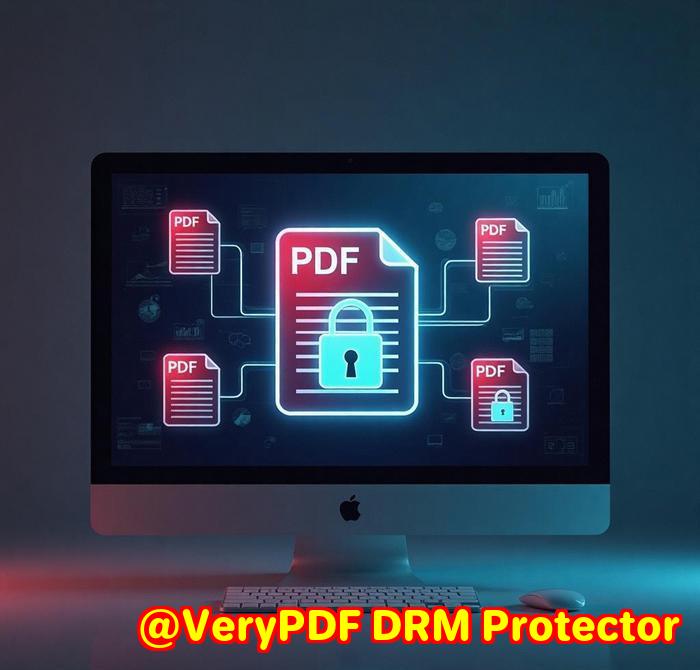
PDF files are a widely used format for distributing documents, but with their convenience comes the risk of unauthorized access, sharing, copying, and editing. As more sensitive information is shared digitally, it’s crucial to protect PDF documents from misuse. While traditional encryption methods such as passwords provide some level of protection, they are not foolproof. This is where VeryPDF DRM Protector comes into play. This advanced solution offers a robust, flexible way to protect your PDF files from unauthorized access, sharing, editing, and more.

In this article, we will explore how PDF encryption works, the different methods of protecting your documents, and why VeryPDF DRM Protector is the superior solution for encrypting PDFs—whether you need password protection or not.

How to Encrypt PDF Files to Prevent Unauthorized Access, Sharing, Copying, and Editing: A Guide to VeryPDF DRM Protector


Understanding PDF Encryption

Encryption is a security process that converts a document into a format that is unreadable without the correct key or password. It is used to protect sensitive information from being accessed by unauthorized individuals. For PDFs, this typically involves scrambling the contents of the file using an encryption algorithm that only those with the correct decryption key or password can reverse.

There are two main types of encryption:

  1. Password-based encryption: Requires users to enter a password to open or modify the document.
  2. Key-based encryption: Uses encryption keys (such as AES or RSA) to protect documents, without relying on user passwords.

VeryPDF DRM Protector offers a solution that removes the vulnerabilities associated with password-based encryption and simplifies key management.


Encrypting PDF Files with or Without Passwords

Encrypt a PDF with Passwords

While password protection is a common method of securing a PDF, it comes with significant drawbacks, such as:

  • Passwords can be easily shared, leading to unauthorized access.
  • Passwords can be cracked, especially if they are weak.
  • Managing passwords for multiple documents is cumbersome and costly.

To encrypt a PDF using VeryPDF DRM Protector, follow these steps:

  1. Upload the PDF file to VeryPDF DRM Protector.
  2. Select the desired DRM options such as disabling printing, copying, and editing.
  3. Publish the document to generate a secure URL. This file will be encrypted with AES-256 encryption and secured with your selected DRM controls.

With VeryPDF DRM Protector, there is no need for a password. Instead, access to the file is restricted based on authorized users, making it a far more secure method than password protection.

Encrypt a PDF Without a Password

For added security and ease of use, VeryPDF DRM Protector allows encryption without a password. This means you can secure your PDFs without the risks and inconveniences associated with password management. Here’s how:

  1. Upload your PDF to VeryPDF DRM Protector.
  2. Define your DRM settings, such as preventing printing, copying, and editing.
  3. Select users or devices authorized to access the document.
  4. Publish the document, and it will be encrypted automatically with AES-256 encryption.

The biggest advantage of this method is that no password needs to be shared or managed. Instead, the file’s encryption is tied to specific users and devices, ensuring that only authorized individuals can access the document.


Why PDF Encryption with Passwords is Ineffective

While password encryption can provide a basic level of protection, it has many limitations:

  • Password sharing: Once a user has the password, they can share it with others, granting them unauthorized access.
  • Password cracking: Hackers can use brute force or dictionary attacks to crack weak passwords, especially those using common words or simple combinations.
  • Inconvenience: Passwords are easy to forget, leading to time-consuming resets and support requests. Additionally, sending passwords securely adds overhead and complexity.

Using VeryPDF DRM Protector bypasses these issues by using a more secure and efficient method: Digital Rights Management (DRM). DRM restricts access to PDFs based on the user’s identity and device, making it far more secure than passwords.


PDF Encryption: Benefits and Drawbacks

Benefits of DRM Encryption

  • No password to manage: DRM eliminates the need for users to remember or securely share passwords.
  • Stronger security: VeryPDF DRM Protector uses AES-256 encryption, which is significantly harder to crack than simple password protection.
  • No risk of password theft: Since there’s no password involved, there’s nothing for hackers to steal or phish.
  • Precise control over access: You can control who can view, print, copy, or edit the document.
  • Expiration control: You can set expiration dates for access, ensuring that a document cannot be accessed after a certain period.
  • Dynamic watermarks: Add personalized watermarks with the reader’s information, preventing screenshots and unauthorized copies.

Drawbacks of DRM Encryption

  • Requires a separate viewer: Encrypted PDFs can only be opened in a secure PDF viewer, which adds an extra step for the end user.
  • Setup and cost: While VeryPDF DRM Protector offers flexible pricing, the software is not free, and you’ll need to set it up and manage access permissions.

How to Encrypt a PDF with DRM Using VeryPDF DRM Protector?

The process of encrypting a PDF with VeryPDF DRM Protector is straightforward and involves just a few steps:

  1. Upload your document to the DRM platform via the online interface.
  2. Choose your encryption settings: Define restrictions such as disallowing printing, copying, and editing. You can also enable features like watermarking and expiration dates.
  3. Generate a secure URL: After encryption, the document is protected with AES-256 encryption. You will receive a URL that only authorized users can access.

This system eliminates the need for password management and offers more granular control over the document’s use.


Why Choose VeryPDF DRM Protector Over Traditional PDF Encryption Tools?

Unlike traditional PDF encryption methods that rely on passwords or certificates, VeryPDF DRM Protector offers:

  • Stronger security: AES-256 encryption and device-locked access.
  • No password vulnerabilities: No passwords to forget, crack, or share.
  • Complete control: You can limit access, control editing, prevent screenshots, and track document usage.

For anyone looking to protect their PDF documents with more than just a password, VeryPDF DRM Protector is the best solution. You can try it for free by visiting VeryPDF DRM Protector Online.


Conclusion

While password encryption can provide basic protection for PDFs, it’s far from foolproof. VeryPDF DRM Protector offers a much stronger, more secure alternative. By using DRM encryption, you can prevent unauthorized access, sharing, editing, and copying of your PDF documents, while also benefiting from advanced features like dynamic watermarks, expiration dates, and device-specific access control.

Don’t rely on weak and easily cracked password protection—opt for VeryPDF DRM Protector to ensure your documents remain secure. Try it for free today at VeryPDF DRM Protector Online.