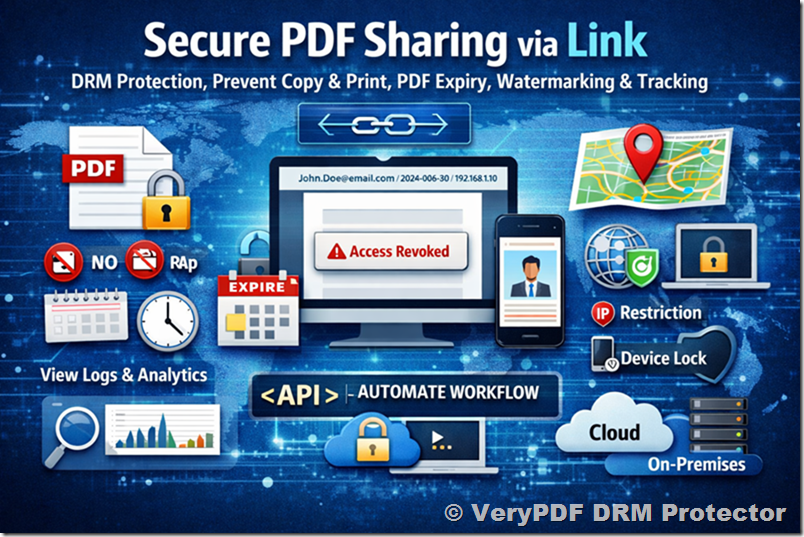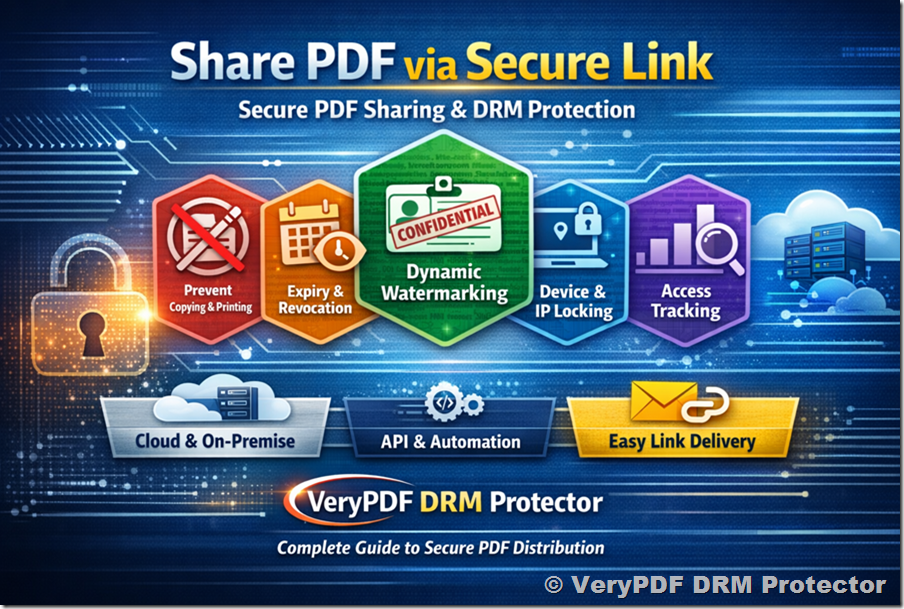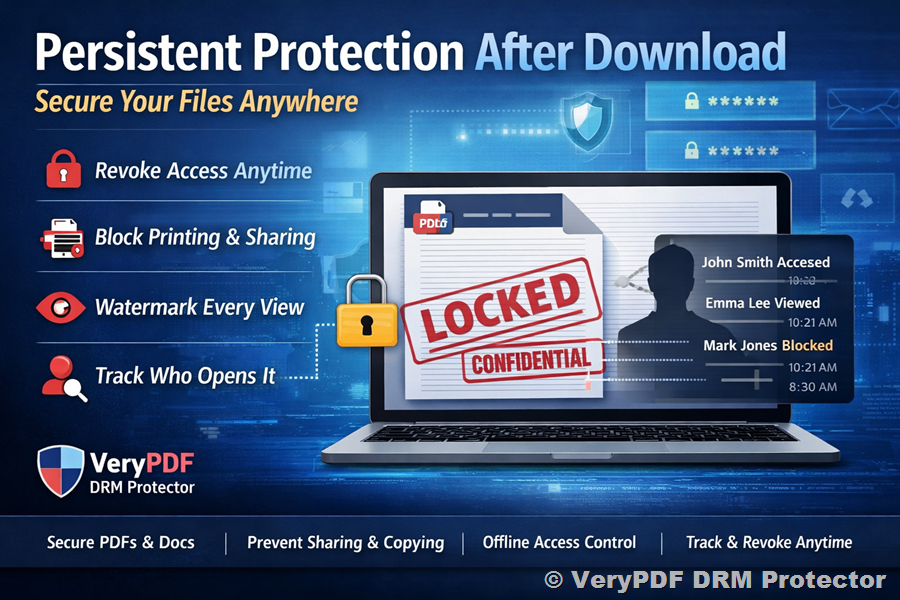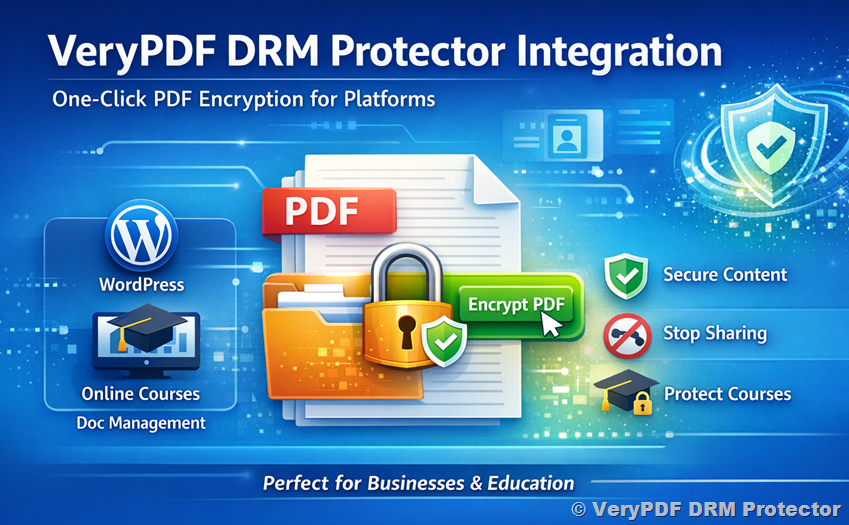
Frictionless E-book Security Give your readers a Plugin-Free Viewer Integration experience so they can read instantly without installing clunky DRM apps

Frictionless E-book Security: Give Your Readers a Plugin-Free Viewer Experience and Read Instantly Without Installing Clunky DRM Apps

I remember one semester when I uploaded my lecture slides and homework PDFs for my students. Within days, I noticed copies circulating on forums I didn’t even know existed. It was frustratingnot only had I spent hours creating detailed materials, but I also had no control over who could see or distribute them. Like many professors, I want my students to benefit from my work, but I also need to protect it. This is where protecting course PDFs becomes essential.

Frictionless E-book Security Give your readers a Plugin-Free Viewer Integration experience so they can read instantly without installing clunky DRM apps

In teaching, there’s always a balance between accessibility and control. You want students to engage with your materials easily, yet you also need to prevent unauthorized sharing, copying, or conversion. VeryPDF DRM Protector has completely changed the way I distribute course content. It’s a seamless, plugin-free solution that secures PDFs without forcing students to install complicated DRM apps.

One of the biggest pain points in education is students sharing PDFs or assignments online. Whether intentional or accidental, this can undermine the value of your work and compromise paid or restricted materials. Another problem is unauthorized printing or copyingstudents sometimes convert PDFs to Word or Excel to bypass course restrictions. And, of course, there’s the general loss of control over your content. Once a file leaves your computer, you traditionally have little way to manage it.

VeryPDF DRM Protector solves these problems elegantly. It allows me to restrict PDF access only to enrolled students or specific users, preventing outsiders from viewing my materials. Printing and copying can be completely disabled or carefully limited, which stops students from distributing content or converting it into other formats. I can even apply dynamic watermarks that display a student’s name, email, or date, making it immediately clear if a document is shared improperly.

A personal example: last semester, I distributed a set of premium homework PDFs to my online class. Thanks to DRM Protector, each file was locked to the student’s device and displayed dynamic watermarks. A few students tried sharing screenshots, but the software blocked screen grabs and screen sharing in Zoom. I could see exactly who had accessed the files and revoke access instantly if needed. It saved me from headaches, ensured academic integrity, and even reduced questions about file corruption or access issues because everything was centrally managed and secure.

Using it is simple. Here’s how I typically protect my course PDFs:

  • Restrict access by user or device: Only enrolled students can open the files.

  • Control printing: Limit prints or stop them entirely; enforce print quality.

  • Apply dynamic watermarks: Identify the user on every page or printout.

  • Prevent copying and conversion: Stop students from exporting content to Word, Excel, or images.

  • Revoke access anytime: If a student drops the course or files leak, you can terminate access immediately.

Beyond preventing students from sharing homework, VeryPDF DRM Protector also stops piracy in its tracks. Screen grabs, Zoom recordings, and even advanced screen capture apps are blocked. Documents can be set to expire after a certain number of views, prints, days, or on a fixed date. That way, paid course content or lecture materials aren’t floating online indefinitely.

I also appreciate that it’s plugin-free. Students don’t need to download a clunky DRM app or remember login credentials. The decryption keys are transparently relayed to a secure client keystore locked to their device. This makes the reading experience seamlessthey open the PDF in a browser or on their device and start learning immediately, without tech headaches.

Another classroom scenario: I once had a student sharing my slides with someone outside the course. Thanks to dynamic watermarks and device locking, I could quickly identify the issue and revoke the document. Without DRM Protector, this would have been nearly impossible. Now, I distribute my lecture slides, homework PDFs, and even paid course materials with confidence.

Here are some practical tips for educators:

  • Set clear rules upfront: Let students know PDFs are protected and cannot be shared.

  • Use device locking: Restrict access to registered devices or USB sticks for offline use.

  • Enable expiry settings: Control how long students can view or print materials.

  • Monitor usage: Audit who accessed files to identify potential leaks.

  • Protect all formats: Don’t forget screen sharing and print-to-PDF methods; DRM Protector covers these.

Implementing these controls doesn’t just prevent misuse; it simplifies teaching workflow. I no longer spend hours tracking down unauthorized copies or answering emails about missing files. Students access everything securely and instantly, and I maintain full control over my digital content.

If you’re distributing paid course PDFs, homework, lecture slides, or online content, the benefits are clear: protect your course PDFs, stop students sharing homework, and prevent DRM removal or conversion. You maintain authority over your intellectual property without creating friction for learners.

I highly recommend VeryPDF DRM Protector to any professor, lecturer, or educational content creator distributing PDFs. It’s reliable, straightforward, and designed specifically for scenarios where control matters. If you want peace of mind and a frictionless student experience, it’s worth trying.

Try it now and protect your course materials: https://drm.verypdf.com
Start your free trial today and regain control over your PDFs.

Frequently Asked Questions

How can I limit student access to my PDFs?

You can restrict access to specific users or devices, ensuring only enrolled students can open your files.

Can students still read PDFs without printing or copying?

Yes. VeryPDF DRM Protector allows full reading access while preventing printing, copying, or conversion.

How do I track who has accessed my files?

The software provides auditing tools to see which users opened your PDFs, when, and how many times.

Does it prevent PDF piracy and unauthorized sharing?

Absolutely. It blocks copying, printing, screenshots, and even screen sharing in video calls.

Is it easy to distribute protected lecture slides and homework?

Yes. Files can be shared via web, email, USB, or web viewer with no extra software needed for students.

Can I revoke access after distributing documents?

Yes. You can instantly revoke documents or user access at any time, even after distribution.

Does it support temporary or expiring access?

Yes. You can set PDFs to expire after a number of views, prints, days, or on a specific date.

Keywords: protect course PDFs, prevent PDF piracy, stop students sharing homework, secure lecture materials, prevent DRM removal, anti-conversion PDF DRM, dynamic watermarks, control printing PDFs, revoke document access, secure digital course content

Military-Grade PDF Hardening for High-Ticket E-books Secure your 500+ technical manuals with Zero-Trust Document Access protocols

Military-Grade PDF Hardening for High-Ticket E-books: Secure Your 500+ Technical Manuals with Zero-Trust Document Access

As I prepared my latest set of lecture slides and high-value course manuals, a familiar frustration crept in: the fear that these PDFs could end up floating around online, shared by students or even falling into the hands of competitors. I’ve spent months creating comprehensive technical manuals and detailed homework guides, and the thought that someone could copy, print, or convert them without permission keeps me up at night. For educators distributing high-ticket e-books or sensitive course content, this is a very real problem. Protecting course PDFs isn’t just a convenienceit’s essential to maintain control, credibility, and revenue.

Military-Grade PDF Hardening for High-Ticket E-books Secure your 500+ technical manuals with Zero-Trust Document Access protocols

In my years of teaching, I’ve seen multiple situations where valuable PDFs end up on forums or shared across social media groups. A student might forward homework assignments, share lecture slides, or even convert your PDFs to Word or Excel for redistribution. Without robust protection, even the most well-intentioned students can unintentionally compromise your work. That’s where VeryPDF DRM Protector comes in, offering military-grade PDF hardening designed for educators who want zero-trust access control over their documents.

One of the most common headaches in the classroom is students sharing PDFs. I once uploaded a comprehensive homework packet to our learning platform, only to discover a week later that it had circulated to students in another section, who weren’t even enrolled in my course. It was frustrating and time-consuming to track down, and worse, it undermined the value of the material I’d painstakingly prepared. VeryPDF DRM Protector lets you restrict access to specific students or groups, ensuring that only enrolled participants can view the content. You can even lock PDFs to a device, so sharing becomes impossible.

Another major pain point is unauthorized printing, copying, or converting. I’ve had students try to print a full set of slides, scan them, and distribute the content. Others attempt to copy text into Word documents or spreadsheets for their own useor worse, to sell. VeryPDF DRM Protector prevents these actions outright. You can disable copying, printing, or screen grabs, control print quality, and even stop printing to PDF or image formats. With dynamic watermarks applied, every page identifies the user viewing or printing it, deterring students from distributing photos or scans. This feature alone saved me countless hours chasing down leaks.

Loss of control over paid or restricted content is another serious concern. For online courses or premium e-books, I need to ensure that access isn’t permanent unless intended. DRM Protector allows PDFs to expire after a certain number of views, prints, or days. You can even revoke access instantly, even if the document has already been distributed. I once had to quickly revoke access to a technical manual because it had been mistakenly shared outside the class. With DRM Protector, I could disable it immediately without hunting for copiessomething no password or simple PDF lock could do.

The anti-piracy benefits are just as crucial. Students or hackers can’t bypass the protections, convert PDFs to other formats, or manipulate browser-based viewers to remove restrictions. Unlike some cloud data rooms that rely on loginswhich can be sharedVeryPDF DRM Protector never exposes your credentials. Decryption keys are stored on each user’s device, locked and inaccessible to others. This means the document itself is always secure, regardless of where it travels. For my high-ticket e-books, this kind of control is invaluable.

Implementing VeryPDF DRM Protector in real classroom scenarios is surprisingly straightforward. Here’s how I set it up:

  • Restrict access to enrolled students only Assign specific users or groups and lock access to their devices.

  • Prevent unauthorized actions Disable printing, copying, screen grabs, and conversion to other file types.

  • Apply dynamic watermarks Every document shows the student’s name, email, and access time when viewed or printed.

  • Set document expiry Limit the number of views, prints, or enforce a fixed expiry date.

  • Revoke instantly if needed Disable a document immediately if shared improperly.

This setup ensures that lecture slides, homework PDFs, and premium course content stay under my control. I remember one semester where I distributed over 500 technical manuals for an engineering course. Normally, tracking unauthorized distribution would have been nightmarish. With DRM Protector, I could monitor access, enforce restrictions, and feel confident that my content wasn’t ending up on file-sharing sites.

Another time, a colleague worried about students recording screen-sharing sessions via Zoom to capture my slides. DRM Protector blocks screen recording and screen sharing across platforms like Zoom and WebEx. Even print screen or third-party screen grab apps are disabled. It’s like having a digital classroom guard ensuring that every PDF stays exactly where it should.

The workflow remains simple. There’s no complicated policy control, no insecure JavaScript, and no reliance on browser-based viewers. I can secure documents directly from my computer, distribute them by email, USB, or web link, and rest assured they’re protected. Even better, the system supports both online and offline viewing, accommodating students with limited internet access without compromising security.

For any educator, the benefits go beyond securitythey save time and reduce stress. I no longer need to chase students who share homework, manually check for leaked PDFs, or worry about losing control over premium course materials. With VeryPDF DRM Protector, I can focus on teaching, knowing my high-ticket e-books and lecture materials are fully protected.

I highly recommend this to anyone distributing PDFs to students. Whether it’s paid course content, technical manuals, or lecture slides, DRM Protector ensures your work remains yours. Try it now and protect your course materials: https://drm.verypdf.com Start your free trial today and regain control over your PDFs.

FAQs

How can I limit student access to PDFs?

You can assign documents to specific students or groups and lock them to particular devices, preventing sharing. Access can also be restricted by IP or location.

Can students still read PDFs without copying, printing, or converting?

Yes. Students can view documents in a protected viewer with all DRM restrictions applied. They can read content normally but cannot copy, print, or convert it.

How do I track who accessed the files?

VeryPDF DRM Protector logs user activity, showing who opened, printed, or viewed the documents, helping you identify leaks or misuse.

Does this prevent PDF piracy and unauthorized sharing?

Absolutely. The software blocks copying, printing, screen grabs, conversion, and sharing outside authorized devices, ensuring full control.

How easy is it to distribute protected lecture slides and homework?

Extremely easy. You can distribute documents via email, web links, USB, or online platforms, with all security and DRM controls automatically applied.

Can I revoke access after distribution?

Yes. Even after students have received documents, you can instantly revoke access to prevent further use.

Are watermarks removable?

No. Dynamic watermarks display user information and cannot be removed, deterring photocopying or photos of content.

Keywords: protect course PDFs, prevent PDF piracy, stop students sharing homework, secure lecture materials, prevent DRM removal, anti-conversion PDF DRM, lock PDFs to devices, dynamic watermarks, expire PDF access, revoke PDF access

How to Protect PDF from Sharing on Reddit Deploy Instant Remote Revocation the moment you detect your book link has gone viral on piracy forums

How to Protect PDF from Sharing on Reddit Deploy Instant Remote Revocation the moment you detect your book link has gone viral on piracy forums

As a professor, I’ve had those sinking moments when I discover that lecture notes I spent hours preparing are circulating on Reddit or other forums. I remember last semester, I uploaded my course PDFs for students to access remotely, only to find a thread on a popular student subreddit where someone had shared the files without permission. It was frustrating, and honestly, a bit frighteningthese were not just free handouts; some were part of paid materials for my online modules. That’s when I started looking into solutions that could stop this kind of unauthorized sharing, and I came across VeryPDF DRM Protector.

How to Protect PDF from Sharing on Reddit Deploy Instant Remote Revocation the moment you detect your book link has gone viral on piracy forums

The challenge isn’t just about stopping one student from copying a PDF. It’s about preventing your entire course content from being replicated, shared, or converted without your consent. From lecture slides to homework PDFs, the risk of piracy and loss of control is realand it’s growing every year.

I’ve seen three major pain points in teaching when it comes to PDF content:

Students sharing files online

It’s easy for a student to forward a PDF to friends or upload it to public forums. Even if you trust your students, once a PDF leaves your hands, there’s no guarantee it won’t be shared widely. I had one incident where a problem set went viral on a Discord server. The effort I put into designing challenging homework was being undermined by uncontrolled distribution.

Unauthorized printing, copying, or conversion

Even if PDFs aren’t shared publicly, students often convert them to Word or Excel to manipulate the content. I’ve caught students copying entire assignments into editable documents, sometimes pasting them into shared folders, which defeats the purpose of controlled coursework. Standard PDF protection like passwords just isn’t enough.

Loss of control over paid or restricted content

For educators running online courses or selling course packs, losing control of digital content can have serious consequences. If students can bypass restrictions or distribute files, it undermines the value of your content, potentially affecting revenue or the integrity of your course.

This is where VeryPDF DRM Protector became a game-changer for me. It isn’t just another PDF password toolit’s a full content protection system designed for real-world classroom needs.

Here’s how it helped me regain control:

Restrict access to specific users

I could lock PDFs to enrolled students or even individual email addresses. That means only those who are supposed to see the lecture slides or homework can open them. Sharing the file with others becomes useless because the recipient cannot access it.

Prevent printing, copying, or forwarding

With a few clicks, I disabled printing for sensitive documents or limited the number of prints per student. Copying text, saving it elsewhere, or forwarding the file is blocked entirely. This alone saved me countless hours tracking down unauthorized copies.

Stop PDF conversion

Students couldn’t convert PDFs to Word, Excel, or image formats anymore. I remember a time when a student tried to copy a solution set into Word for easier editing. With DRM Protector, the content stayed locked, which was a relief.

Dynamic watermarks for accountability

Every PDF automatically displayed the viewer’s name and email on every page. I had one instance where a student attempted to screenshot slides and post them online. The watermark made it obvious whose copy was leaked, deterring anyone from attempting it in the first place.

Instant revocation

One of the most powerful features was the ability to revoke access instantly. A friend of mine experienced a sudden surge of interest in his paid e-book, and before he knew it, links were circulating on piracy forums. With DRM Protector, he terminated access to those copies immediately, even after distribution. The files were rendered useless to anyone who wasn’t authorized.

Setting it up was surprisingly straightforward. Here are some tips I follow for classroom PDFs:

  • Lock PDFs to devices Whether it’s a laptop, tablet, or USB stick, the file works only where it’s supposed to.

  • Control print limits For assignments that need physical submission, I allow only one print per student.

  • Set expiry dates PDFs for short-term access can automatically expire after a set number of days or views.

  • Add dynamic watermarks I include student names and timestamps, making each PDF uniquely traceable.

  • Revoke access instantly if needed If I detect unauthorized sharing, a single action disables access immediately.

I remember using DRM Protector last year for a set of premium course materials I sold online. After launching, I noticed a few suspicious links appearing on a student forum. I clicked a few controls, revoked access, and the problem was gone within minutes. No stress, no manual follow-ups, and no compromised intellectual property. It was a relief to see my work protected without micromanaging every download.

For teachers running both in-person and online courses, this kind of PDF protection is a must. I now use it for lecture slides, homework PDFs, and paid course content. It integrates smoothly into my workflow, and students can still access materials convenientlyjust without the risk of uncontrolled sharing.

Here’s a step-by-step strategy I follow to secure my PDFs:

  1. Prepare your content Organize lecture slides, assignments, or book chapters.

  2. Apply DRM restrictions Lock access to intended users and restrict printing, copying, and conversion.

  3. Enable dynamic watermarks Include user-specific details to deter redistribution.

  4. Distribute securely Send via email, web links, or USB; unprotected copies never leave your computer.

  5. Monitor access Track who views files and revoke if suspicious activity occurs.

The result is a secure, controlled environment where students can access learning materials safely, and you maintain complete control.

From my experience, VeryPDF DRM Protector isn’t just about securityit’s about peace of mind. You can focus on teaching and content creation without constantly worrying that your PDFs will be shared, converted, or printed without permission.

I highly recommend this to anyone distributing PDFs to students. Protecting your course materials doesn’t have to be complicated, and the benefits are immediate. You can try it now and safeguard your PDFs: https://drm.verypdf.com

Frequently Asked Questions

How can I limit student access to PDFs?

You can lock PDFs to specific students, devices, or locations. Access is only granted to those you authorize.

Can students still read materials without copying, printing, or converting?

Yes. VeryPDF DRM Protector allows students to view content safely while blocking printing, copying, forwarding, or conversion.

How do I track who accessed my files?

The software provides detailed usage logs and audit trails, showing who opened files, when, and on which device.

Does it prevent PDF piracy and unauthorized sharing?

Absolutely. DRM Protector stops PDFs from being shared on forums, converted to other formats, or printed without permission.

Is it easy to distribute protected PDFs?

Yes. You can share via email, web links, or USB, with no unprotected files leaving your computer. Distribution is secure and user-friendly.

Can I revoke access after distribution?

You can instantly revoke access to any PDF, regardless of where it’s located, protecting your content even after it’s been shared.

Do the PDFs expire automatically?

Yes. You can set PDFs to expire after a number of views, prints, days, or on a fixed date.

Tags / Keywords

protect course PDFs, prevent PDF piracy, stop students sharing homework, secure lecture materials, prevent DRM removal, anti-conversion PDF DRM, PDF security software, dynamic watermarks, revoke PDF access, control PDF printing

With VeryPDF DRM Protector, your PDFs stay secure, your teaching materials remain under your control, and you can finally focus on educating without worrying about digital leaks.

Beyond Password Protection Why standard E-book passwords fail and why you need a Hardened PDF Kernel to stop PDF-cracking software

Beyond Password Protection: Why Standard E-book Passwords Fail and Why You Need a Hardened PDF Kernel to Stop PDF-Cracking Software

I still remember the semester I spent countless hours preparing a set of lecture slides and a comprehensive PDF workbook for my students, only to discover a few weeks later that copies were circulating online. As a professor, it’s frustratingand frankly, a little dishearteningto see your hard work shared without permission. You think a simple password will keep your PDFs safe, but in reality, standard E-book passwords are a weak barrier that sophisticated cracking tools can bypass in seconds. That’s why I turned to VeryPDF DRM Protector, a solution that goes beyond passwords and gives you full control over your course materials.

Beyond Password Protection Why standard E-book passwords fail and why you need a Hardened PDF Kernel to stop PDF-cracking software

In my experience, many educators face the same challenges: losing control of content, students sharing homework PDFs, and the risk of paid materials being distributed without consent. Let me walk you through these pain points and explain why a hardened PDF kernel is the game-changer for anyone distributing digital educational content.

One of the biggest headaches in the classroom is students sharing PDFs online. Whether it’s homework assignments, lecture slides, or study guides, once a file leaves your hands, you no longer control it. I’ve had students accidentally post a PDF to a private forum or even send it to friends outside the class. While passwords seem like a simple fix, they’re easily shared or removed using cracking software. A password may slow someone down for a moment, but it won’t stop determined users from accessing and redistributing your materials.

Another common pain point is unauthorized printing and conversion. I’ve had PDFs that students converted into Word documents or images, which they could then modify, edit, or circulate freely. The worst part is that this can happen without the original creator ever knowing. Standard PDF security measureslike password protectionsimply aren’t enough. They don’t prevent printing, copying, or converting, which means your carefully crafted lesson plans and paid course materials can end up anywhere.

Loss of control over content is a subtle but serious issue. Imagine putting months of research and teaching effort into a comprehensive guide, only for a handful of students to leak it online. Not only does it undermine your authority, but it can also affect revenue if you’re offering paid courses. I’ve had this happen with course PDFs, and it’s frustrating to know that all the effort I put in could be instantly compromised.

This is where VeryPDF DRM Protector comes in. Unlike standard password protection, it secures your PDFs with a hardened kernel that prevents common cracking techniques. Let me explain how it works in everyday teaching scenarios:

  • Restricting PDF Access: I can ensure that only enrolled students can open my lecture slides and workbooks. Each PDF is locked to specific users or devices, so even if a file is shared, it won’t open for anyone else.

  • Preventing Printing and Copying: With DRM Protector, I can completely block printing or set limits on the number of times a document can be printed. Copying text, images, or content is also disabled, keeping my materials intact.

  • Stopping Conversions: Students can’t convert PDFs to Word, Excel, or images, which prevents unauthorized edits and redistribution.

One feature I particularly love is the dynamic watermarking. Every PDF can display the student’s name, email, or even the date of access directly on each page. This isn’t just a visual deterrentit’s a psychological one. When students see their own information on a page, they think twice before sharing it online. I once noticed a student trying to forward a PDF to another class, but seeing their email stamped across each page made them immediately reconsider. That’s a level of control passwords simply can’t offer.

VeryPDF DRM Protector also gives me flexibility in managing content after distribution:

  • Expiry & Self-Destruct: I can set documents to expire after a certain number of views, prints, days, or on a fixed date. This is perfect for timed assignments or subscription-based content.

  • Revoke Access Instantly: Even after PDFs are sent, I can terminate access if needed. One semester, I had to revoke a set of lecture slides because a student left the course; without DRM, those slides would have remained accessible indefinitely.

  • Prevent Screen Sharing & Screenshots: The tool blocks attempts to screen-share or record via Zoom, WebEx, or other apps. It even stops screen grab utilities. For online lectures, this is invaluable for preventing leaks.

Here’s how I implement these protections in my classroom workflow:

  • Step 1: Prepare my PDF as usual, knowing that it’s never uploaded to insecure servers. Unprotected documents stay on my local machine.

  • Step 2: Apply VeryPDF DRM Protector before distribution. I choose who can access the document and set printing, copying, and conversion restrictions.

  • Step 3: Add dynamic watermarks to identify each student uniquely.

  • Step 4: Distribute PDFs via email, learning management systems, or USB, confident that the content remains secure.

  • Step 5: Monitor access, revoke documents if needed, and adjust restrictions dynamicallyno need to worry about leaks after the fact.

The anti-piracy benefits of this system are substantial. PDFs are no longer vulnerable to hackers or students bypassing security. Even sophisticated PDF-cracking software cannot remove the protection embedded in the hardened kernel. This gives educators peace of mind: your work remains yours, whether it’s shared digitally or distributed offline.

I’ve also noticed practical benefits beyond security. By enforcing access controls and preventing misuse, I save time correcting shared assignments or tracking down leaked files. My students respect the boundaries because they know the system enforces them automatically. Instead of worrying about content leaks, I can focus on teaching and creating better materials.

For educators managing paid courses or subscription content, DRM Protector is a lifesaver. I once created a premium online module, and without DRM, I would have had to constantly monitor student uploads to prevent piracy. With DRM Protector, I simply set access restrictions, applied watermarks, and let the system do the work. The result: zero leaks and minimal intervention required from me.

If you’re ready to take control of your PDFs and prevent content misuse, here are a few practical tips:

  • Always lock PDFs to devices or users: Avoid relying on passwords or unsecured cloud storage.

  • Use dynamic watermarks: Personalized identifiers deter sharing.

  • Set print limits or disable printing: Reduce the risk of physical copies being redistributed.

  • Expire sensitive content: Ensure assignments or subscription materials are only accessible for a defined period.

  • Revoke access when necessary: Students leaving courses or changing groups won’t retain access.

  • Monitor usage: Review access logs to identify potential issues early.

In conclusion, standard PDF passwords simply don’t cut it in today’s digital classroom. VeryPDF DRM Protector goes far beyond passwords, stopping copying, printing, conversion, and unauthorized sharing. It allows you to control access, apply dynamic watermarks, and even revoke content after distribution. As someone who’s lost hours of work to leaked PDFs, I can confidently say that DRM Protector is a must-have for educators.

I highly recommend this to anyone distributing PDFs to students. Protect your lecture slides, homework assignments, and paid course materials effortlessly. Try it now and protect your course materials: https://drm.verypdf.com. Start your free trial today and regain control over your PDFs.

FAQs

Q1: How can I limit student access to PDFs?

A1: VeryPDF DRM Protector allows you to lock PDFs to specific users or devices. Only those authorized can open and view the files.

Q2: Can students still read PDFs without copying, printing, or converting?

A2: Yes. DRM Protector restricts printing, copying, and conversions, but students can read the content seamlessly on approved devices.

Q3: How do I track who accessed my PDFs?

A3: The software logs document usage, including views and prints, and dynamic watermarks show which student is accessing the content.

Q4: Does it prevent PDF piracy and unauthorized sharing?

A4: Absolutely. By locking files, blocking conversions, and applying watermarks, it prevents students or hackers from redistributing your materials.

Q5: How easy is it to distribute protected lecture slides and homework?

A5: Very easy. PDFs remain on your computer until you distribute them. You can send them via email, USB, or LMS without worrying about losing control.

Q6: Can I revoke access after distribution?

A6: Yes. You can instantly revoke any PDF, even after it’s been shared, giving you full control over your materials.

Q7: Are screen grabs or screen sharing possible with protected PDFs?

A7: No. DRM Protector blocks screen sharing, recordings, and screenshot attempts, keeping your content secure during online sessions.

Keywords/Tags: protect course PDFs, prevent PDF piracy, stop students sharing homework, secure lecture materials, prevent DRM removal, anti-conversion PDF DRM, PDF access control, dynamic PDF watermarks, revoke PDF access, stop unauthorized printing

Visual Leak Traceability for Authors Identify exactly which reviewer leaked your Advance Reader Copy ARC using Per-Session Watermark Injection

Visual Leak Traceability for Authors: Identify Exactly Which Reviewer Leaked Your Advance Reader Copy ARC Using Per-Session Watermark Injection

As a professor, nothing frustrates me more than spending hours preparing lecture PDFs, only to find them circulating online before my students even open them. I remember one semester when a carefully crafted homework assignment ended up on a student forum within a day of distribution. Suddenly, my carefully planned discussions and exercises lost their value. Sharing knowledge is rewarding, but losing control over who can view, copy, or distribute it can feel like pouring water into a sieve. For authors distributing Advance Reader Copies (ARCs), this risk is even more acute. That’s where VeryPDF DRM Protector comes in, offering a practical, easy-to-use solution for protecting PDFs and tracing leaks back to the source.

Visual Leak Traceability for Authors Identify exactly which reviewer leaked your Advance Reader Copy ARC using Per-Session Watermark Injection

In today’s digital classroom, PDFs are everywhere: lecture slides, assignments, reading materials, and full course packs. The convenience for students is undeniable, but the risk of uncontrolled sharing is real. Students forwarding files to peers, uploading homework to public forums, or converting PDFs into editable formats are common headaches for educators. Beyond classrooms, authors releasing ARCs face the same challenges: a single leak can spread across Telegram channels or file-sharing sites, undermining months of work.

One of the biggest pain points I face is students sharing PDFs. It often starts innocently: a student sends a PDF to a friend who missed class. But once files hit the internet, they spread fast. Assignments, lecture slides, and course materials lose their exclusivity, and the learning experience suffers. VeryPDF DRM Protector addresses this by locking access to specific users. Each PDF can be restricted to enrolled students or approved reviewers, making it nearly impossible for unauthorized users to open the files. You can even enforce device-specific locks so that the content can only be accessed on the devices you approve.

Another challenge is unauthorized printing, copying, or converting. I’ve had students convert PDFs into Word documents, making it easy to share answers or reproduce content without my permission. It’s frustrating because traditional password protection or basic PDF settings rarely stop determined users. With VeryPDF DRM Protector, printing can be disabled entirely or restricted by quality and number of copies. Copying, editing, and saving are blocked, while dynamic watermarksdisplaying the user’s name, email, and timestampare applied to every page. It’s like having a built-in security guard on each document. If someone tries to share a file, the watermark clearly identifies them.

Loss of control over paid or restricted course content is another major concern. For example, I once released a supplementary module for online students with a small course fee. Within hours, links to the PDF appeared on student forums. Not only does this hurt revenue, but it also undermines the trust and fairness of my course. VeryPDF DRM Protector prevents this by enforcing per-session watermarks, stopping screen grabs, and allowing document access to expire after a set number of views, prints, or days. If needed, I can revoke access instantly, even after the documents have been distributed. It’s like having a remote kill switch for any digital content.

The anti-piracy benefits of DRM Protector extend beyond classrooms. For ARC authors, it’s invaluable. Every copy of your PDF can carry a unique watermark linked to the reviewer. If the PDF leaks online, you can trace it back to the exact individual responsible. I recall a colleague who used DRM Protector for his book previews. When a PDF surfaced on a forum, the embedded watermark identified the leaking reviewer immediately. No guessing, no wasted timejust fast, actionable information.

Setting up protection is straightforward, even for non-tech-savvy educators. Here’s how I use VeryPDF DRM Protector in my own teaching workflow:

  • Select the PDF: Lecture slides, homework, or course packs.

  • Set user restrictions: Assign files to enrolled students or reviewers only.

  • Configure printing and copying controls: Disable printing or limit prints, block copying and editing.

  • Apply dynamic watermarks: Include student names, emails, and timestamps.

  • Set expiry or revocation rules: Automatically expire after X views, days, or prints, or revoke manually if necessary.

  • Distribute securely: Send protected files via email, LMS, or USB, knowing they cannot be shared outside the intended audience.

The result? Peace of mind. I no longer spend hours chasing down unauthorized copies or worrying that my carefully prepared content has been compromised. Students focus on learning rather than finding ways to bypass PDF restrictions, and ARCs reach reviewers without risk of uncontrolled distribution.

One memorable instance was with a graduate-level assignment I shared. A student attempted to print and share it, unaware that the PDF carried their unique watermark. Within minutes, the system flagged the attempt. I contacted the student, and the situation was resolved quickly without compromising the rest of the class. It saved time, prevented unfair advantage, and reinforced the importance of respecting digital content rules.

VeryPDF DRM Protector doesn’t just stop copying or printingit also prevents screen sharing and screenshots. In the era of online lectures and Zoom classes, students might attempt to capture content via screen recording apps. With DRM Protector, these attempts are blocked, ensuring that your content remains confined to the intended audience. Unlike browser-based viewers, which are easily manipulated, the software enforces protections at the document level, providing a secure and reliable solution.

Using DRM Protector also simplifies compliance with institutional policies or copyright requirements. You can lock content to specific devices, control access by IP location, and even ensure that PDFs expire automatically after a certain period. This is especially useful for temporary access to sensitive content, such as exam materials, research drafts, or ARCs.

From my perspective, the combination of dynamic watermarking, access restrictions, and anti-copy controls makes VeryPDF DRM Protector a must-have for any educator or author distributing digital content. It’s practical, intuitive, and effectivegiving you back control over your work without creating additional headaches for students or reviewers.

If you’re worried about PDFs being shared, copied, or converted without permission, here’s my advice: start using VeryPDF DRM Protector today. It’s easy to set up, integrates seamlessly into your workflow, and provides robust protection for your lectures, homework, course packs, or ARCs.

I highly recommend this to anyone distributing PDFs to students or reviewers. It’s not just about stopping piracyit’s about maintaining the integrity of your teaching materials and protecting your intellectual property. Try it now and protect your course materials: https://drm.verypdf.com

Start your free trial today and regain control over your PDFs.

Frequently Asked Questions

1. How can I limit student access to PDFs?

You can restrict PDFs to specific students or reviewers, lock them to devices, and even set access by IP location. Only authorized users can open the files.

2. Can students still read PDFs without copying, printing, or converting?

Yes. VeryPDF DRM Protector allows full reading capabilities while disabling copying, printing, forwarding, or conversion to other formats.

3. How do I track who accessed the files?

Dynamic watermarks display the user’s name, email, and timestamp on every page. This enables quick traceability if a document leaks.

4. Does it prevent PDF piracy and unauthorized sharing?

Absolutely. It stops copying, printing, editing, forwarding, and screen capturing. Files can be revoked or expired at any time.

5. How easy is it to distribute protected lecture slides and homework?

Distribution is straightforward via email, LMS, USB, or online sharing. The protection is embedded in the PDF itself, so students cannot bypass it.

6. Can I revoke access after distribution?

Yes, you can terminate access instantly, even after the PDFs have been sent or downloaded.

7. Will this work for Advance Reader Copies (ARCs)?

Yes. Each ARC can carry unique per-session watermarks to trace leaks back to the reviewer, ensuring accountability and protecting your work.

Keywords: protect course PDFs, prevent PDF piracy, stop students sharing homework, secure lecture materials, prevent DRM removal, anti-conversion PDF DRM, dynamic watermark PDFs, secure PDF distribution, revoke PDF access, ARC leak traceability