[Solution] How to Sell Study Notes Online & Prevent Piracy?

Selling study materials online can be a great way to earn extra money while studying or even create a sustainable passive income. From lecture notes and study guides to cheat sheets and practice tests, the possibilities are vast. However, with the potential to make money comes a host of challenges, including piracy, legal concerns, and the risk of misuse. In this guide, we will walk you through everything you need to know about selling study materials online, including how to protect them from piracy and ensure a fair price.

[Solution] How to Sell Study Notes Online & Prevent Piracy?

The Legality of Selling Study Notes

Before jumping into selling your study notes, it’s important to understand the legalities surrounding it. While this guide does not constitute legal advice, here are a few things to consider:

  1. Copyright: If your notes contain copyrighted material such as images, lecture slides, or recordings that you do not have permission to use, you could face legal repercussions. Your notes should be your original work or sufficiently transformative. For example, you can paraphrase your professor’s lecture instead of copying it verbatim.
  2. Institutional Policies: Many universities have policies against selling study materials. Violating these rules can result in academic penalties, so it’s essential to check your institution’s guidelines.
  3. Country/State Laws: Some states, like California, have laws prohibiting the sharing or selling of study notes. Be aware of the regulations in your jurisdiction before proceeding.

In general, as long as your notes are your original work and you are not infringing on copyright, selling them is likely legal. However, always consult with a lawyer or your institution if you’re unsure.

What Kind of Study Materials Can You Sell?

You can sell a wide range of study materials, provided they meet the criteria mentioned above. Some examples of what you can legally sell include:

  • Lecture notes and summaries: Notes from your own lectures or study guides you’ve crafted.
  • Practice materials: Flashcards, practice tests, or question banks you’ve created.
  • Coursework examples: Your own completed assignments (but clearly state they are for educational purposes).
  • Public domain materials: Summaries or questions from textbooks or materials in the public domain.

Popular study materials for sale include:

  • AP Physics formula sheets
  • SAT practice test answers
  • Pharmacology lecture notes
  • AP US History notes
  • AAMC practice exams

Where to Sell Study Notes

There are various platforms where you can sell your study materials. Each has its pros and cons, so it’s essential to choose one that suits your needs:

  1. Note-selling websites: Websites like Stuvia, Studocu, and NoteXchange allow users to upload and sell their notes. These platforms take a commission but provide exposure to a large audience.
  2. Etsy: Etsy allows you to sell digital products like study guides and worksheets. Just ensure your materials do not infringe on copyright laws.
  3. Your own website: If you prefer more control, you can set up an e-commerce site using platforms like Payhip, Gumroad, or Shopify. While you’ll avoid third-party commissions, you will need to handle marketing and traffic generation.
  4. Social media platforms: While social media platforms like Instagram and Facebook do not allow direct selling of digital products, you can use them to promote your study notes by linking to your online store.

How to Price Study Notes

Pricing study notes can be tricky. Too high, and students may shy away; too low, and you risk undervaluing your work. Here are a few guidelines:

  • Market research: Check out how others are pricing similar study materials. Many sellers price notes between $5 and $30, depending on the depth and quality of the material.
  • Value of the content: The more comprehensive and well-organized your notes, the higher the price you can charge. Practice tests or full study guides generally command higher prices.
  • Consider the platform fees: Some platforms, like Stuvia or StudySoup, take a significant commission (often around 30-50%). Factor this into your pricing to ensure you’re still making a profit.

How to Protect Study Materials from Piracy

One of the most significant challenges when selling study notes online is preventing piracy. After all, once a document is downloaded, it’s easy for others to distribute or resell it. Here are a few ways to protect your content:

  1. DRM (Digital Rights Management): DRM tools, such as VeryPDF DRM Protector, can help you protect your study notes by restricting access and copying. They prevent unauthorized distribution of your materials by locking them with secure passwords or watermarks.
  2. Watermarking: You can add watermarks to your PDF files, displaying the buyer’s name or email address. This discourages unauthorized sharing since the document can be traced back to the original purchaser.
  3. Limit Downloads and Views: Some platforms allow you to limit the number of downloads or views for your materials. This reduces the chances of piracy and ensures that only legitimate customers access your content.
  4. Monitoring for Piracy: Regularly search for your materials on other websites to ensure no one is distributing them illegally. You can file DMCA takedown notices if you find your work on pirated sites.

Key Takeaways

  • Selling study notes can be a lucrative side hustle if done correctly, but it’s essential to consider legalities, platform fees, and piracy.
  • Make sure your notes are original and do not infringe on any copyrights.
  • Choose the right platform to sell your materials and set a competitive price.
  • Use DRM tools and watermarking to protect your study materials from unauthorized distribution.

By taking the right precautions, selling study notes online can become a steady income stream. Protect your content with DRM and ensure you’re following the legal guidelines to create a sustainable business that benefits both you and your customers.

How to stop people from sharing a PDF?

Original Question: Hi, super basic question here! I’m doing research on behalf of a client!

She’s releasing her second Ebook in a couple of weeks. Her last Ebook was great but there were people sharing it in WhatsApp group chats etc. She could tell there was multiple shares per purchase! I know there’s no fully sure way of preventing this but is there at least a way of somewhat deterring people from sharing it or removing the share option? I’m aware there’s some software out there but she doesn’t want to go down the password protected route, something simple that just stops people being as quick to share it!

Great question! You’re right that there’s no foolproof way to completely prevent people from sharing a PDF, but there are some strategies you can use to make it more difficult or less appealing for them to do so.

How to stop people from sharing a PDF?

1. Watermarking the PDF

One of the most effective ways to deter sharing is to add a watermark to the document, preferably with the buyer’s name, email address, or a unique ID. This way, if the PDF gets shared, you can trace it back to the original purchaser. Watermarks won’t prevent sharing but they will discourage people from distributing the file, as it will be clearly tied to them.

2. Restricting Permissions

You can also limit the permissions on the PDF itself to prevent certain actions. For example, disabling printing, copying, or modifying the document can discourage unauthorized sharing. While this doesn’t fully eliminate the risk, it does make it harder for people to distribute the content without losing quality or editing it.

3. Use a Secure Document Viewer

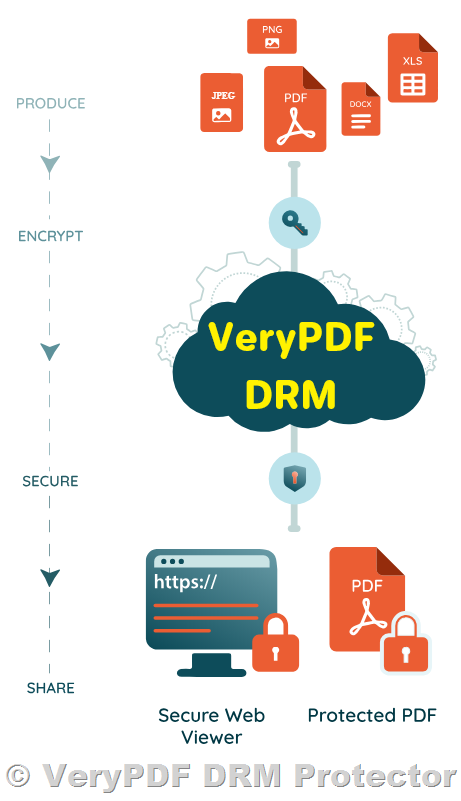
Instead of sharing the Ebook as a simple PDF, you can deliver the content through a secure viewer or platform. This solution often comes with DRM (Digital Rights Management) features that can lock down the document and prevent downloading, printing, and sharing. It also allows you to track who is viewing the Ebook and take action if it is shared inappropriately.


VeryPDF DRM Protector Web Application: A Solution

For a simple yet effective solution, I recommend using VeryPDF DRM Protector Web Application. This tool offers an easy way to protect your Ebook without requiring complicated setups or password protection. Here’s how it can help:

  1. Watermarking: You can add unique, customizable watermarks to each copy of the Ebook, making it easy to identify the original buyer if the document is shared.
  2. Restrict Permissions: You can disable features like printing, copying, and editing the PDF, making it much harder for others to repurpose or share the content without compromising its quality.
  3. Tracking: VeryPDF DRM Protector allows you to track who views the document and when, so if you suspect the Ebook has been shared, you can monitor its usage and take appropriate action.
  4. User Access Control: You can even set expiration dates or restrict access based on specific criteria, ensuring that the Ebook can’t be accessed beyond the agreed-upon terms.

By using VeryPDF DRM Protector, you can significantly reduce the chances of unauthorized sharing while keeping the process simple and user-friendly. This is a great option if your client wants an easy-to-implement solution without dealing with passwords or complicated software.

Let me know if you need further details or a demonstration!

How to Password Protect a PDF Before You Share It Using VeryPDF DRM Protector Web Application

Sending PDF email attachments has become second nature for most of us. Whether it’s a business contract, a report, a presentation, or any other type of document, PDFs are often the preferred format. However, have you ever stopped to think about whether the PDF file you’re sending is secure? Once shared, your document could end up in the wrong hands. That’s where password protection comes in.

In this article, we’ll show you how to easily password protect a PDF using VeryPDF DRM Protector Web Application before you share it with others, ensuring your sensitive content stays secure.

The Importance of PDF Security

Since its creation in the 1990s, the PDF format has grown into one of the most popular file types for sharing information. PDFs are used across industries by professionals, students, and even casual users. They provide a reliable, platform-independent way to share documents that preserves formatting. However, as with any file format, PDFs can be vulnerable if they are shared without the right protections in place.

By default, PDFs are not encrypted or password-protected, which means anyone with access to the file can open and view its content. To protect sensitive information—be it a confidential report or a financial statement—adding a password layer can keep your documents secure.

How to Password Protect a PDF Before You Share It Using VeryPDF DRM Protector Web Application

How to Password Protect a PDF Using VeryPDF DRM Protector?

If you’re looking to password protect a PDF before sending it out, VeryPDF DRM Protector provides an excellent solution. This web application offers robust security features for business professionals and anyone who needs to ensure that only the right people can view their PDFs. Here’s how you can easily password protect a PDF using this tool:

  1. Upload Your PDF to VeryPDF DRM Protector:
    Begin by logging into your VeryPDF DRM Protector account. Once you’re logged in, click on the “Upload PDF” option. Select the PDF file you wish to protect from your device.
  2. Set Up Your Password:
    After uploading the PDF, you’ll be prompted to set a password. This will be required for anyone to open and view the document, ensuring that unauthorized users can’t access its contents. Choose a strong password that combines letters, numbers, and special characters to maximize security.
  3. Configure Additional Protection Options (Optional):
    VeryPDF DRM Protector allows you to customize additional security settings such as limiting the number of views, preventing printing, or setting expiration dates for access. You can also track who views the PDF and when, giving you complete control over how the document is accessed.
  4. Download the Protected PDF:
    Once your settings are complete, click the “Protect” button. Your PDF will now be encrypted with the password and any additional protection settings you’ve chosen. You can then download the protected PDF to your device.
  5. Send Your PDF Securely:
    Now that your PDF is password protected, you can confidently send it through email. You can use Gmail or Outlook with the VeryPDF DRM Protector Gmail/Outlook Plugin for even further protection. These plugins allow you to send PDFs securely directly from your email client while tracking who views the document and when.

Track Your PDF Engagement

One of the standout features of VeryPDF DRM Protector is its ability to track PDF engagement. After sending your password-protected PDF, you can monitor its usage through the application’s detailed tracking dashboard. You can see who opened the document, when they opened it, how many times they viewed it, and whether they attempted to share or print the document.

This level of tracking is particularly valuable for business leaders and anyone dealing with confidential information. It ensures that your document is not only secure but also that you can keep tabs on its distribution and usage.

Why Choose VeryPDF DRM Protector?

  • Advanced Security Features: Protect your PDFs with strong encryption and password protection, and prevent unauthorized access.
  • Customizable Settings: Tailor access permissions to suit your needs, including view limits, expiration dates, and more.
  • Easy Integration with Email Clients: With the Gmail and Outlook plugins, you can send protected PDFs directly from your email client.
  • Engagement Tracking: Monitor how recipients interact with your PDF, giving you valuable insights into who is accessing your document.

Conclusion

When sending sensitive PDF documents, it’s crucial to ensure that they are adequately protected from unauthorized access. VeryPDF DRM Protector offers a simple yet powerful solution to password protect your PDFs and even track their usage after they’ve been sent. With customizable security features and seamless email integration, you can send your PDFs with confidence, knowing that they’re secure and under your control.

Next time you need to send a PDF attachment, take the extra step to protect it. With VeryPDF DRM Protector, you’ll have peace of mind knowing that your sensitive documents are safe and secure.

[Solution] Comprehensive Anti-Piracy Solutions for PDF E-books

In the digital era, e-books have revolutionized the way we read and consume information. The convenience of accessing a vast library of books on various devices has made e-books a popular choice for both readers and publishers. However, this convenience also brings challenges, especially when it comes to protecting e-books from piracy and unauthorized distribution. Piracy is a significant issue in the e-book industry, as it threatens authors, publishers, and content creators by undermining revenue and intellectual property rights.

To address this challenge, PDF e-books, in particular, require specialized anti-piracy solutions to protect them from unauthorized access, copying, and sharing. In this article, we will explore effective anti-piracy measures designed to secure PDF e-books and ensure that they remain protected against illegal distribution.

[Solution] Comprehensive Anti-Piracy Solutions for PDF E-books

The Problem of E-book Piracy

E-book piracy involves the illegal distribution, copying, and downloading of e-books without proper authorization. This can occur in many ways, such as through peer-to-peer sharing, illegal file-sharing websites, and torrent platforms. The impact of piracy can be severe for authors and publishers. It diminishes their ability to profit from their work, leading to a loss of revenue. Furthermore, widespread piracy can harm the reputation of legitimate e-book sellers and make it harder for new authors to gain recognition.

PDF e-books, while offering many advantages such as easy distribution and a consistent reading experience, are also susceptible to piracy. Unlike physical books, which cannot be easily duplicated, digital files can be reproduced and shared with a simple click of a button. Thus, it’s essential to implement strong anti-piracy solutions to safeguard PDF e-books.

Key Anti-Piracy Solutions for PDF E-books

1. Digital Rights Management (DRM)

One of the most effective ways to protect PDF e-books from piracy is by using Digital Rights Management (DRM) technologies. DRM refers to a set of technologies used to restrict unauthorized access and distribution of digital content. When applied to PDF e-books, DRM enables publishers to set specific usage restrictions on the document, including preventing copying, printing, and sharing of the file.

DRM systems often require users to authenticate their identity before accessing the e-book, such as through passwords, licenses, or user accounts. Some advanced DRM solutions even allow publishers to apply watermarks to e-books, which can trace the source of any leaked copies back to the original purchaser, acting as a deterrent for piracy.

Common DRM tools for PDFs include Adobe Digital Editions, LockLizard, and VeryPDF DRM Protector, each offering a range of features to protect e-books from unauthorized distribution and copying.

2. Password Protection and Encryption

Password protection is one of the most straightforward and effective ways to restrict access to PDF e-books. By requiring a password to open the PDF, publishers ensure that only authorized individuals can access the file. The password can be assigned on an individual basis, making it easier to manage and control who can read the content.

Another critical method of securing PDF e-books is encryption. Encryption involves converting the content of the PDF into a scrambled format, which can only be decrypted by authorized users with the correct password or key. Encryption ensures that even if a PDF e-book is intercepted during distribution, it cannot be accessed without the decryption key, adding an additional layer of security against piracy.

3. Watermarking

Watermarking involves embedding a visible or invisible mark within the e-book to identify the owner of the file. This mark can include user-specific information such as the buyer’s name, email address, or purchase ID. Watermarks help track the origin of pirated copies, as they can be used to trace the source of any leaked content.

Unlike other forms of protection, watermarks do not prevent users from accessing or reading the e-book. However, they serve as a deterrent to unauthorized sharing, as anyone who tries to distribute a PDF e-book with a watermark will be easily identifiable. Both visible and invisible watermarks can be applied to PDF e-books, and some advanced DRM solutions allow dynamic watermarking, where each copy of the file gets a unique watermark.

4. Device/Platform Restriction

Restricting the device or platform on which the PDF e-book can be accessed is another effective anti-piracy measure. This solution ensures that the e-book can only be viewed on specific devices or applications that are authorized by the publisher or seller.

For example, some e-book platforms allow publishers to lock PDF files to specific devices, such as an individual’s computer or e-reader. This prevents the file from being transferred and opened on other unauthorized devices. Such restrictions can be enforced through DRM software that ensures the PDF is only readable on authorized devices or applications, reducing the risk of piracy.

5. Time-limited Access (Expiring PDFs)

Offering time-limited access to PDF e-books can be a useful way to prevent piracy. By setting an expiration date for the file, publishers can ensure that the e-book is no longer accessible after a certain period. This is especially effective for short-term promotions or rental services, where users are granted access to the file only for a limited time.

Once the time limit expires, the PDF e-book automatically becomes inaccessible, preventing unauthorized distribution after the access period ends. This approach helps control the availability of the e-book and reduces the window of opportunity for piracy.

6. Secure Distribution Channels

A secure distribution channel is essential to prevent e-book piracy at the source. Instead of relying on open or unsecured platforms for distribution, publishers should use secure, encrypted platforms that ensure safe file delivery. Using a secure website, platform, or cloud service for e-book distribution can help reduce the risk of piracy.

Platforms that offer secure authentication and purchase verification, such as Amazon Kindle, Google Play Books, or Apple Books, can help prevent unauthorized access to the PDF e-books. Secure payment systems also reduce the chances of unauthorized access by ensuring that only paying customers can download the e-book.

Conclusion

E-book piracy is a significant threat to authors, publishers, and content creators in the digital age. PDF e-books, while offering convenience and portability, are vulnerable to unauthorized access and distribution. To protect valuable intellectual property, publishers must implement comprehensive anti-piracy solutions, including DRM, encryption, password protection, watermarking, device restrictions, time-limited access, and secure distribution channels.

By adopting a combination of these security measures, publishers can safeguard their PDF e-books from piracy and ensure that they continue to profit from their work. Investing in robust anti-piracy solutions is a necessary step to preserve the value of digital content and protect the rights of creators in an increasingly interconnected digital world.

How to Prevent PDF Screenshots: VeryPDF DRM Protector’s Screenshot Protection Feature

In the digital age, PDF files are one of the most commonly used formats for sharing and storing documents. However, as these files are increasingly shared across various platforms and devices, protecting them from unauthorized access or manipulation has become a top priority for many businesses and individuals. One of the most common concerns is the ability for users to take screenshots of PDFs, potentially leaking sensitive information.

In this article, we will explore how to prevent PDF screenshots and introduce the powerful Screenshot Protection Feature of VeryPDF DRM Protector, which can effectively block users from taking screenshots of PDF files while viewing them in browsers on Windows and Mac operating systems.

How to Prevent PDF Screenshots: VeryPDF DRM Protector's Screenshot Protection Feature

Why Do You Need to Prevent PDF Screenshots?

Taking screenshots is a common and easy method for users to capture the content displayed on their screens. On both Windows and Mac operating systems, users can easily use built-in screenshot tools or third-party applications to capture and save images of any document, including PDFs. Unfortunately, this feature presents a security risk when dealing with confidential or sensitive documents. For instance, a sensitive contract, financial report, or proprietary data could be leaked if someone screenshots the PDF and shares it without permission.

Preventing screenshots is crucial for organizations that want to maintain the confidentiality of their intellectual property, legal documents, and other sensitive files. Without proper protection, unauthorized screenshots could lead to data breaches, privacy violations, and the dissemination of confidential information.

How to Prevent PDF Screenshots?

Using VeryPDF DRM Protector’s Screenshot Protection Feature

VeryPDF DRM Protector is an advanced PDF protection tool that helps users secure their PDF files against unauthorized access, copying, and distribution. One of its most significant features is the Screenshot Protection, which prevents users from taking screenshots of PDFs while they are being viewed in browsers on both Windows and Mac operating systems. Let’s take a closer look at this feature:

  1. Disabling Screenshot Tools: Many operating systems, such as Windows and Mac, come with built-in screenshot tools like the Snipping Tool (Windows) and the Screenshot feature (Mac). These tools allow users to quickly capture parts of their screen and save them as image files. With VeryPDF DRM Protector, this functionality is disabled when users try to open a protected PDF file. The tool actively blocks standard screenshot shortcuts such as “PrtSc” (Print Screen) or “Cmd + Shift + 4” (Mac), making it impossible for users to capture the content of the PDF using conventional screenshot methods.
  2. Blocking Screen Recording and Sharing: In addition to taking static screenshots, many users may attempt to record their screens or share their screens using browser-based or third-party tools. However, VeryPDF DRM Protector not only disables screenshots but also prevents screen recording and sharing during PDF viewing. Whether users are using a browser-based PDF reader or a third-party PDF tool, the protection feature ensures that no screen capture software or screen-sharing applications can record or share the PDF content in real-time.
  3. Browser-Specific Protection for Windows and Mac: One of the most impressive aspects of VeryPDF DRM Protector is its ability to target browser-based PDF viewing environments. Whether users are viewing PDFs in popular browsers like Google Chrome, Mozilla Firefox, Safari, or Microsoft Edge on Windows or Mac, the Screenshot Protection feature works seamlessly across all platforms. When a user attempts to take a screenshot of a PDF viewed in a browser, the protective mechanisms of VeryPDF DRM Protector immediately intervene to block the action, ensuring that no unauthorized screenshots are captured.
  4. Prevention of Copying and Sharing: Apart from blocking screenshots, VeryPDF DRM Protector also provides comprehensive security features that prevent unauthorized copying, printing, and sharing of PDF files. Users cannot easily copy text or images from the document, ensuring that the content is protected against illegal duplication and dissemination.

Why Use VeryPDF DRM Protector for Screenshot Prevention?

  1. Enhanced Document Security: VeryPDF DRM Protector provides an advanced layer of security, protecting sensitive documents from unauthorized access and sharing. Preventing screenshots is just one aspect of the protection, but it ensures that the most common method of information theft—capturing screen images—remains impossible.
  2. User-Friendly Interface: Despite its powerful features, VeryPDF DRM Protector is easy to use. Setting up PDF protection is straightforward, and no advanced technical skills are required. You can apply screenshot protection to your PDF files with just a few clicks.
  3. Protection Across Platforms: The ability to prevent screenshots on both Windows and Mac browsers is particularly useful in today’s cross-platform environment. Users on different operating systems will be equally restricted from taking screenshots of your protected PDFs, providing a consistent level of security.
  4. Compliance with Data Security Regulations: Many industries are required to follow strict data protection regulations, such as HIPAA, GDPR, or PCI DSS. Using VeryPDF DRM Protector to prevent screenshots and control access to sensitive PDFs helps ensure compliance with these legal and regulatory requirements.

Conclusion

Protecting your PDF documents from unauthorized screenshots is essential in ensuring the confidentiality of sensitive information. VeryPDF DRM Protector provides a powerful and efficient way to prevent users from taking screenshots of your PDFs while viewing them in browsers on both Windows and Mac. By disabling screenshot tools, blocking screen recording and sharing, and offering comprehensive PDF protection, VeryPDF DRM Protector ensures that your documents remain secure, even in an increasingly digital and connected world.

Investing in tools like VeryPDF DRM Protector is an essential step for businesses and individuals who want to safeguard their intellectual property, sensitive data, and valuable content from unauthorized distribution and leakage.